




 1
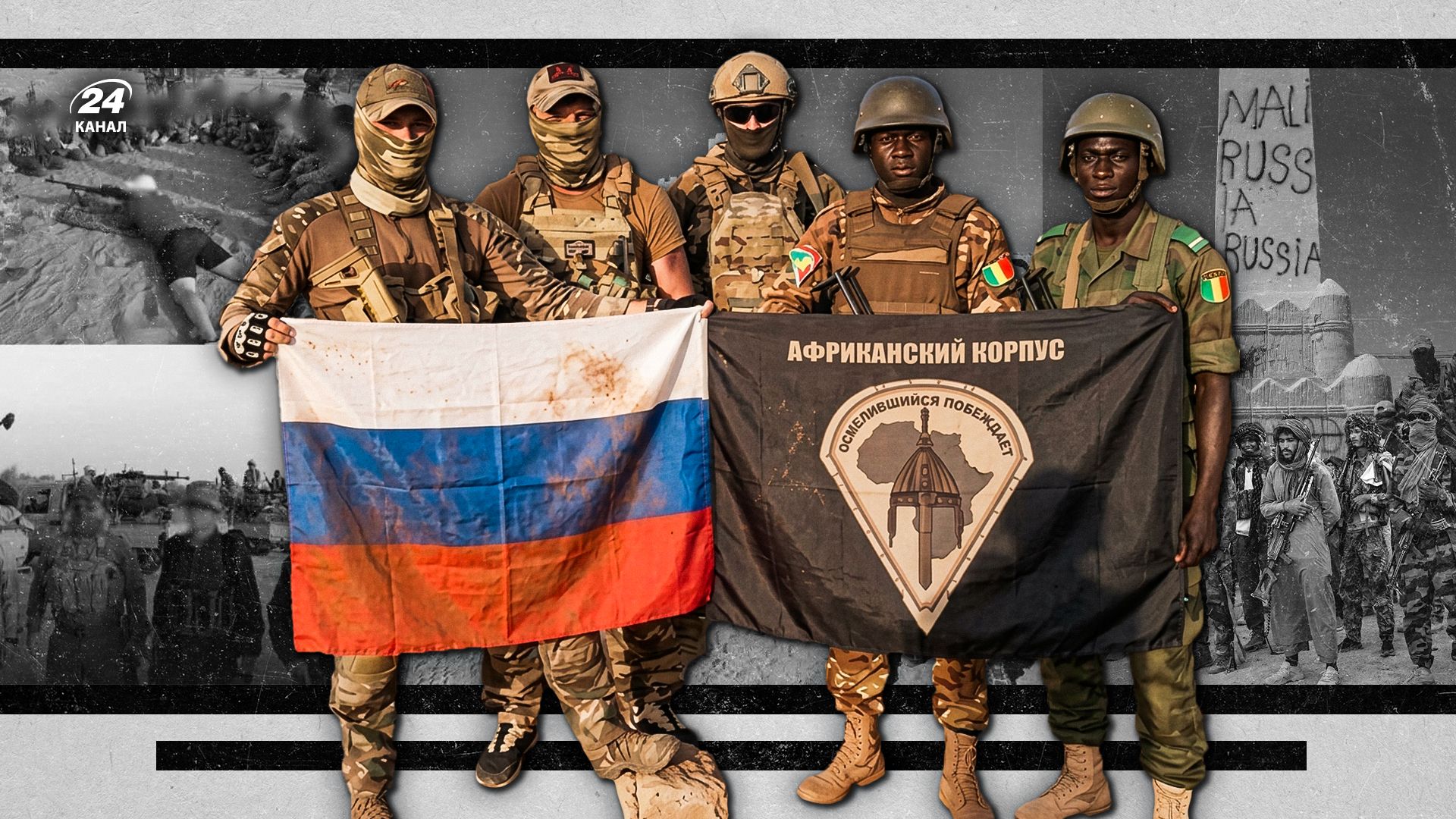
1 In early October, Russia’s “African Corps,” together with the Malian army – which is under the command of the local military junta – declared a “victory” over Tuareg forces in the region and the capture of Kidal, a city extremely important to the rebels.
Authorities in Bamako reported that Malian troops had conducted “large-scale air and ground operations” around Kidal. However, Tuareg representatives stated that their forces had carried out a controlled withdrawal, which took place without direct clashes between the sides.
Channel 24 investigated why Kidal is so important to the Tuaregs and whether the capture of the city truly represents a strategic victory for Russia in Africa.
How exactly did the Russians manage to capture Kidal?
On the morning of October 6, a Malian army convoy, supported by Russian mercenaries from the “African Corps” ( former "Wagner Group" members who have stopped pretending that they are not Russian military personnel under the command of the official Moscow government, but rather a private military company (PMC)), left a military base in the town of Anefis and headed toward the city of Kidal.
After traveling 95 kilometers through the desert, the Malian army announced in the afternoon that it had taken control of the city and secured its positions. In a separate statement, the General Staff in Bamako announced that during air and ground operations, several terrorists had been neutralized and vehicles and logistics depots had been destroyed.
The stated aim of these actions was to ensure security in the border regions and eliminate the influence of armed groups – the “Azawad Liberation Front,” known as the FLA, and JNIM (“Organization for the Support of Islam and Muslims” – Channel 24), a regional affiliate of Al-Qaeda.
However, when Malian troops, together with the Russians, entered the city, they found not a single living soul.
“We encountered no resistance. We had prepared the ground in advance by shelling enemy positions and gradually weakening their grip,” said an officer from the Malian General Staff, as quoted by AFP.
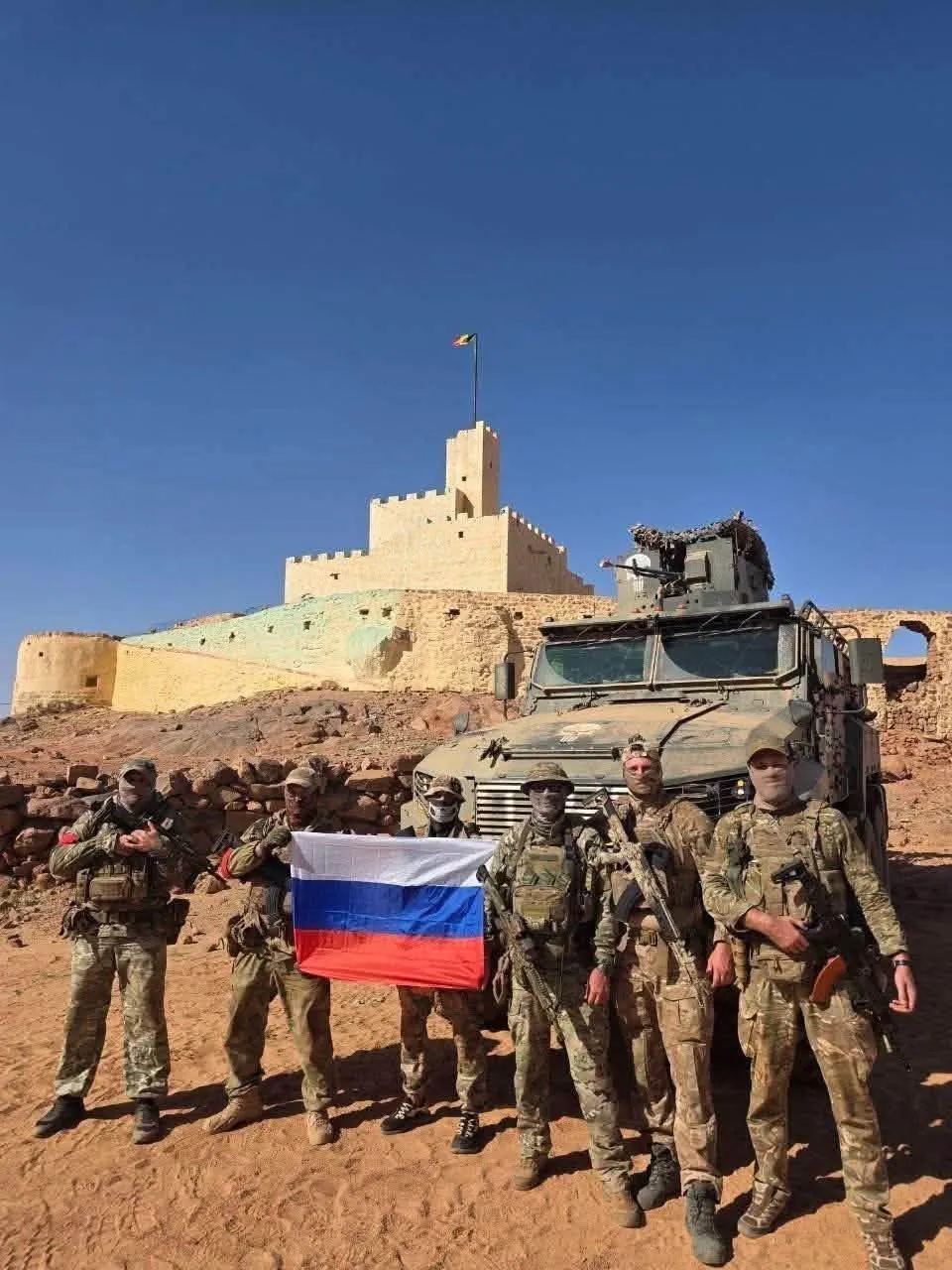
Soldiers of the Russian Ministry of Defense’s “African Corps” against the backdrop of a fort in the city of Kidal / Photo – Russian Ministry of Defense
As FLA spokesman Muhammad Elmaulud Ramadan explained in a comment to the Financial Times, the Tuareg rebels left Kidal along with all their equipment and weapons without any direct clashes with the Russian-Malian convoy.
Why the “Azawad Liberation Front” surrendered the city without a fight
One of the main reasons is the air superiority held by Russian and Malian government forces over the rebels. The Russians’ active use of aircraft and “Geran-2” and “Harpiya-1A” drones – which Moscow employs to attack Ukrainian cities – effectively eliminated any chance the Tuaregs had of successfully defending Kidal.
The retreat from the city is also linked to a possible internal conflict between JNIM and the FLA. Disagreements over the importance of maintaining control over Kidal may have arisen due to the organizations’ differing tactics – while the Islamists employ a strategy of lightning-fast attacks and rapid retreats, the “Azawad Liberation Front” tends to maintain control over cities.
A third party – Algeria – may also have influenced the Tuaregs’ decision to leave the city. This Arab country ( pro-Russia) has long sought to extend its influence over the Sahel region by supporting various regional rebel groups and organizations.
Seeking to improve relations with Mali and play the role of a regional mediator, Algeria asked the rebels to surrender the city. Although representatives of the “Azawad Liberation Front” denied Algerian interference, experts note that this scenario is possible.
Not the first time it was lost, nor the last time it was captured: the history of the battles for the city
Over the past 14 years, Kidal has been the center of the conflict between the Malian army and the Tuaregs. Back in 2012, rebels managed in just 48 hours to capture the city and a nearby military base in the northeast of the country, take control of the cities of Gao and Timbuktu, and declare a new state – Azawad – in the territories under their control.
However, their independence was short-lived. Within a few months, Islamist groups – with whom the Tuaregs had collaborated at the start of the uprising – stepped up their activities and drove the MNLA (“National Movement for the Liberation of Azawad” – Channel 24) out of the region’s major cities.
In January 2013, Mali’s then-pro-Western government asked France for help in fighting the rebels. During Operation Serval, French troops recaptured the city, but in reality, Kidal remained in a “gray zone,” shifting back and forth between French, Tuareg, and Islamist control.
An attempt to resolve the conflict peacefully was the 2015 Algiers Peace Agreement, which, on paper, granted the north broader rights. In practice, Kidal remained under the control of Tuareg groups united in a coalition, while the French military and UN peacekeepers maintained order.
During a series of military coups that have taken place in the country since 2020, a junta and a pro-Russian government came to power in Mali. In the fall of 2023, the new government expelled the peacekeepers from the country, and at the same time, mercenaries from the Russian “Wagner” group appeared in Kidal. The Russians openly demonstrated their presence in the city, which was accompanied by terror against the local population, atrocities, repression, and war crimes.
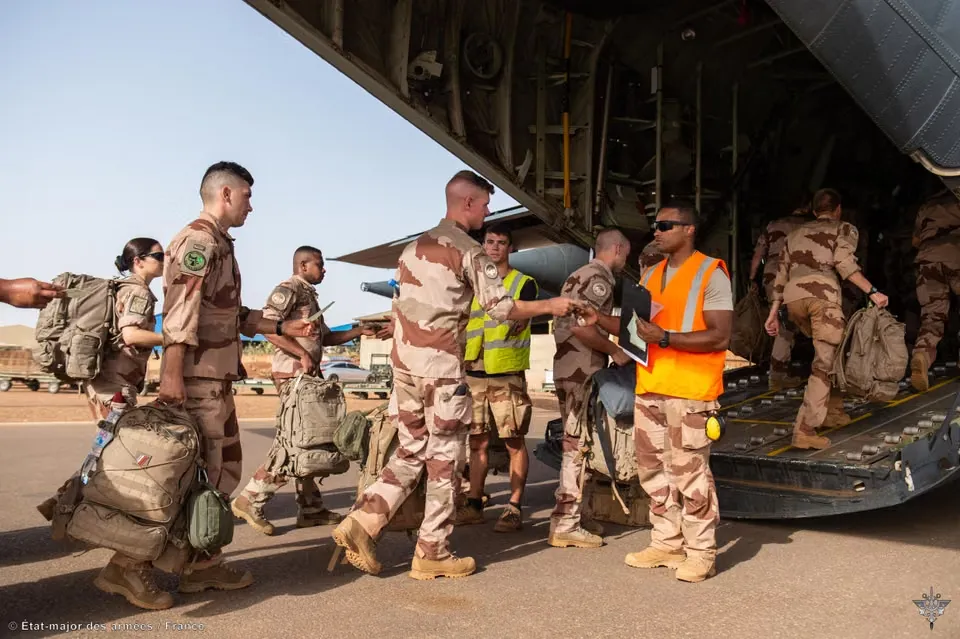
The last French troops are leaving Mali / Photo – Etat Major des Armées / AFP
After that, the conflict only escalated. In January 2024, Bamako officially terminated the Algiers Agreement, which permanently closed the channel for peace. In the summer of that same year, near the town of Tinzauaten, not far from Kidal, the Tuaregs and jihadists – with whom the Tuaregs had concluded a temporary agreement – staged an ambush that killed dozens of Malian soldiers and Russians.
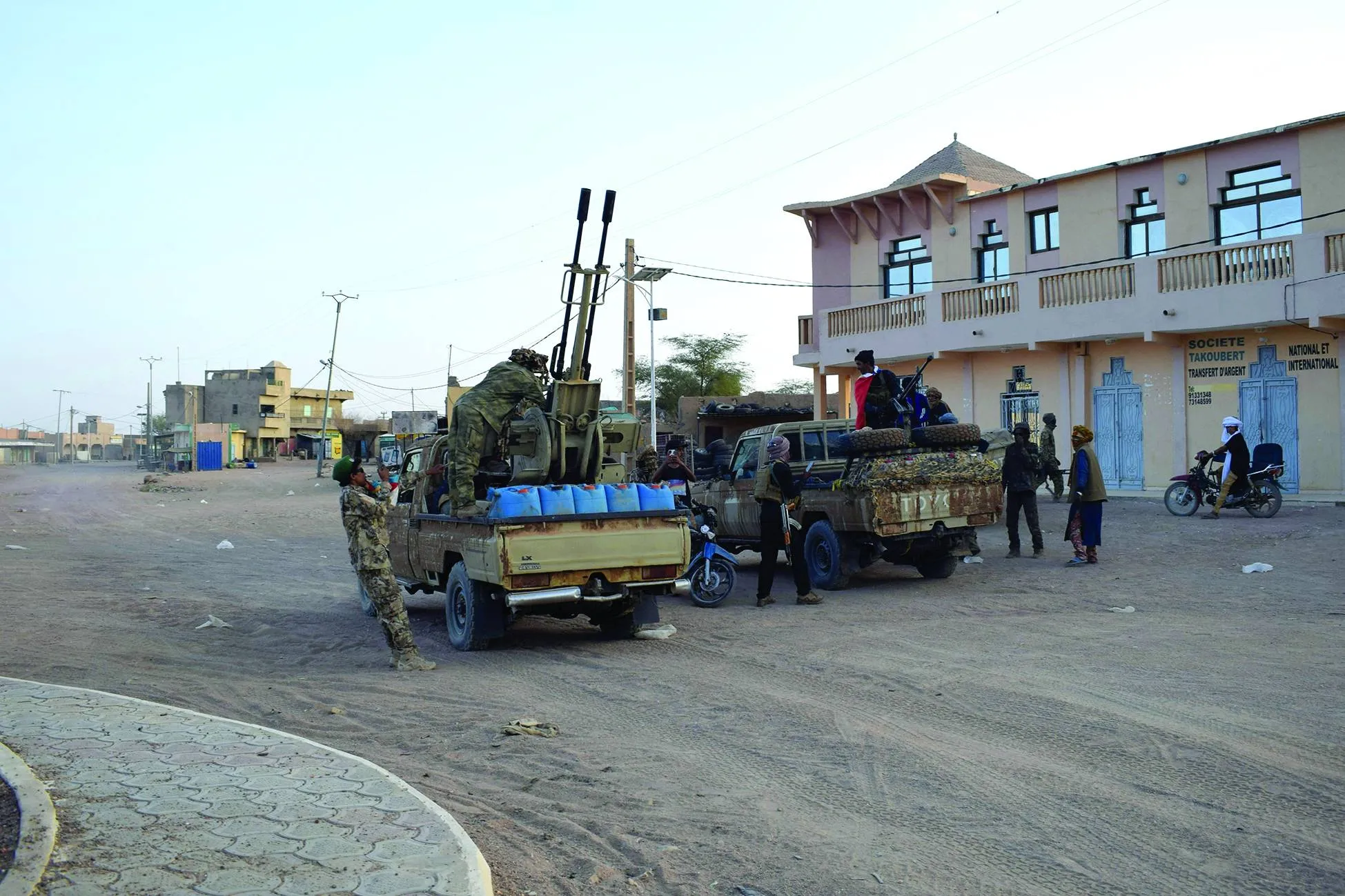
Tuareg rebels belonging to the “Azawad Liberation Front” ride in pickup trucks in Kidal on April 25, 2026 / Photo – AFP
The following year, as a result of a rebranding, the “African Corps” replaced “Wagner” in the country, and during intense fighting between the Russians and the Tuaregs in April 2026, Kidal once again fell to the rebels. The “Azawad Liberation Front,” together with JNIM jihadists, captured the city during coordinated attacks and held it under their control for nearly six months.
Why the Tuaregs Are Fighting So Hard for Kidal
The Tuaregs are one of the largest nomadic peoples of the Sahara; they speak the Tamasheq language and have lived for centuries in what is now Mali, Niger, Algeria, Libya, and Burkina Faso.
After these countries gained independence in the 1960s, their lands were divided by national borders, and in Mali, the Tuaregs found themselves in the minority: the north of the country, which they call Azawad, remained poor and remote, while the government in Bamako, far to the south, was perceived as alien.
Although on the map Kidal appears to be a small, desolate place on the edge of the Sahara, its significance is much greater for all parties to the conflict.
For the Tuaregs, it is, above all, a symbol. Kidal is considered one of the centers of Tuareg nationalism: in all four uprisings against the Malian state (1962–1964, 1990–1995, 2007–2009, and 2012), the city played a central role. Political power is concentrated here among the clan leaders, who have long been regarded as the most influential among the Tuareg.
It was in Kidal, in October 2011, that rebel leaders gathered to adopt a strategy for a new uprising.
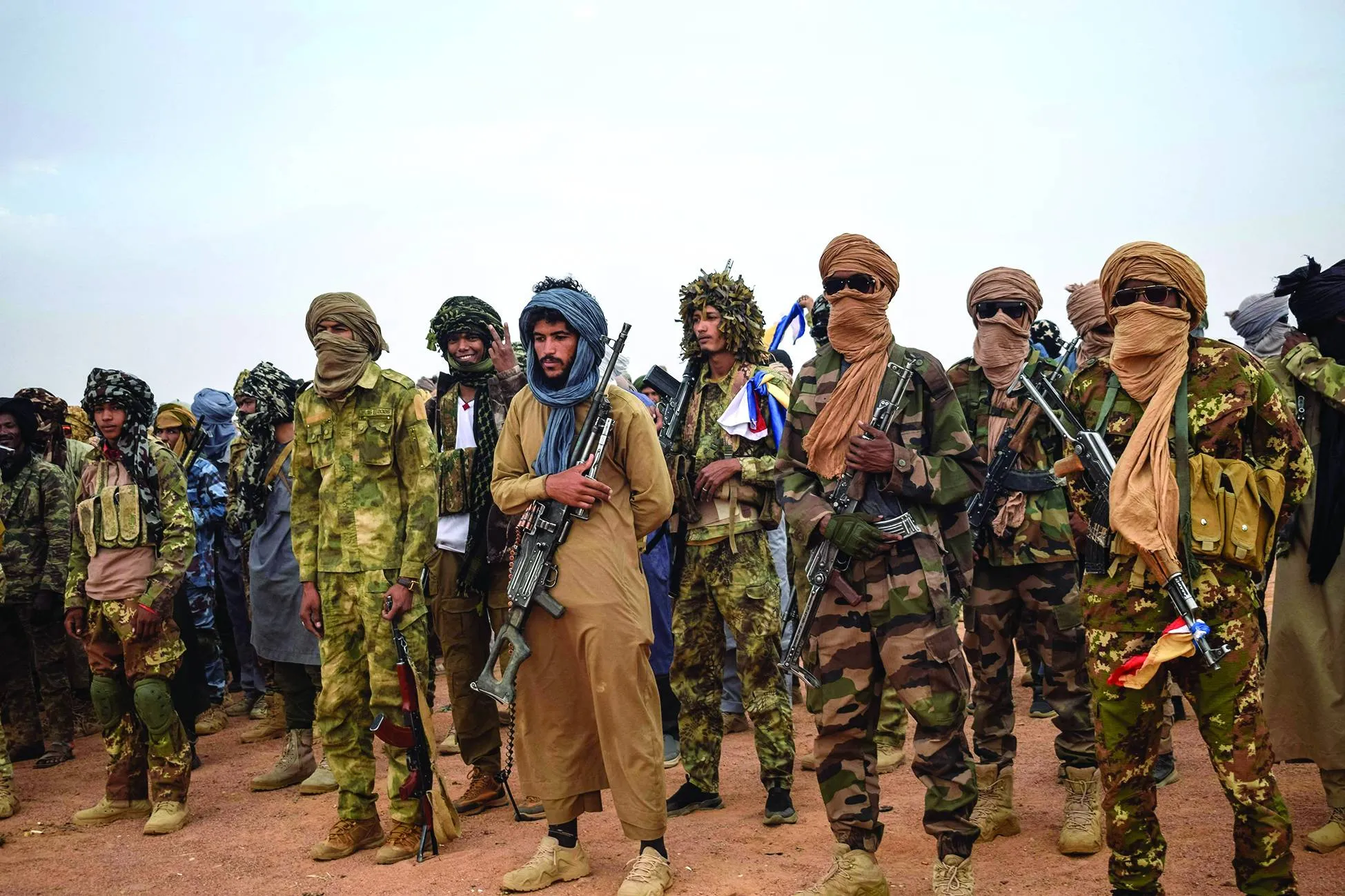
Fighters of the Azawad Liberation Front in the strategically important city of Kidal / Photo – AFP
The second factor relates to geography and money. The Kidal region stretches along more than half of the border between Algeria and Mali, meaning it lies on an ancient trans-Saharan trade route. Hundreds of years ago, slaves and spices were transported along it; today, these routes are used to smuggle drugs, weapons, and illegal migrants. The tolls collected along these routes are the main source of funding for those who control them.
Finally, for the military junta in Bamako and for Moscow, Kidal has become a matter of reputation. The Malian army had been unable to control this city for years, so its recapture in 2023 was presented as a historic victory, and The loss of the city in 2026 was seen as one of the most painful humiliations.
The city’s recapture also presents an opportunity for Russians from the “African Corps” to once again act as guarantors of the Malian government’s security after losing significant ground in April and in the summer.
A Real Victory for the Russians in Africa or Just a Mirage
At first glance, the recapture of Kidal appears to be an unambiguous success for Bamako and Moscow: after a series of defeats, the junta has finally demonstrated that it can control the north.
But the capture of the city is more of a “symbolic” victory than a “decisive” one in the campaign against the rebels. The “Azawad Liberation Front” explains the withdrawal as a desire to save the lives of its fighters and calls it a temporary measure. In other words, the rebels haven’t vanished or disappeared into the desert – they’ve merely retreated. They’ve retained their equipment, weapons, and the ability to return to battle with renewed strength. As the song by the most famous Tuareg rockers – the band Tinariwen – goes: “I know how to walk and wander until sunset in the desert, flat and empty, where there is nothing.”
Added to this is the broader picture. After 2024, JNIM opened a new front aimed at isolating Bamako and other cities in the west and south of the country from economic centers and supply lines. So, even while controlling Kidal, the junta does not control the roads leading to it. And this makes the city a suitcase without a handle for the occupiers.
Ukraine Will Help the Tuaregs
Ukrainian specialists – who, as far back as 2024, trained the rebels to use drones and, with their help, effectively fight against the Russian war machine – can help the Tuaregs regain their positions around the city of Kidal.
According to the French newspaper Le Monde, it was thanks to Ukraine’s assistance that the Azawad Liberation Front, together with JNIM, inflicted the heaviest losses on Russian mercenaries near the town of Tinzauaten.
This marked the biggest defeat for the Russian “African Corps” since its arrival in Mali at the invitation of the local junta in 2021. Andriy Yusov, a representative of the Main Intelligence Directorate, stated at the time that the rebels “received the necessary information – and not just the information that allowed them to carry out a successful military operation against Russian war criminals.”
Mali, followed by Niger – whose government is also supported by Russia – severed diplomatic relations with Kyiv, accusing it of supporting “terrorist groups.” Kyiv responded that this decision was “short-sighted and hasty” and rejected the accusations of supporting international terrorism.
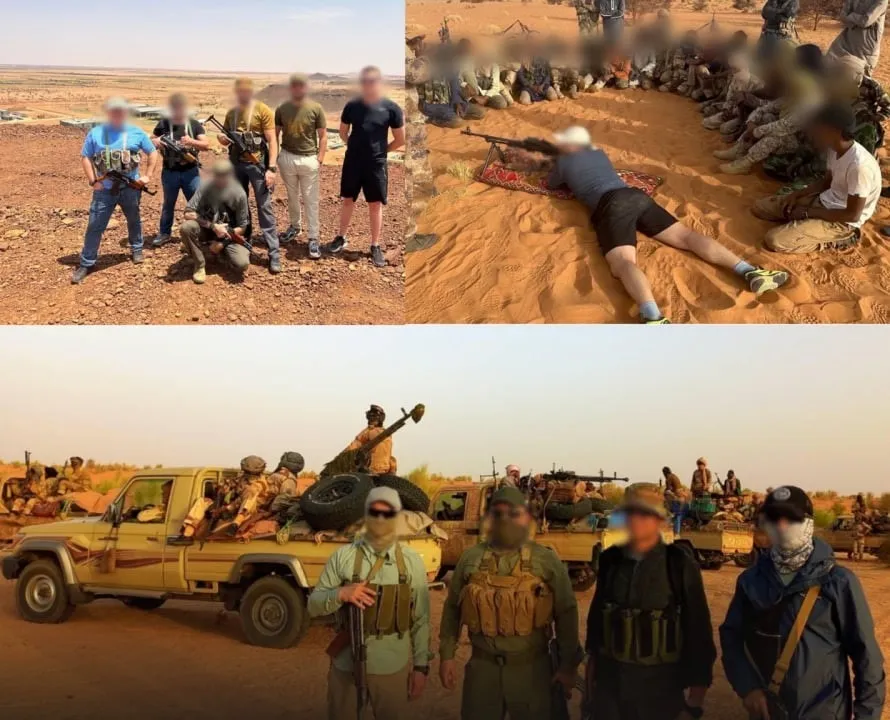
A photo of Ukrainian soldiers, shared by Presidential Office Head Kirill Budanov in honor of Military Intelligence Day. Interestingly, the soldiers in the background are wearing traditional Tuareg headdresses / Photo – Kirill Budanov via Telegram
According to CNN, about fifteen Ukrainian drone specialists are working with the FLA in northern Mali. The Ukrainians stationed there are not fighting on the front lines but are training fighters and helping to organize operations. One of the Ukrainian UAV operators claimed that his unit assisted the rebels during the battles for Kidal.
The “African Corps,” which emerged from the “Wagner Group” after Prigozhin’s assassination, has become an important tool of Moscow’s influence in the region, and supporting forces fighting against Russia in Africa gives Ukraine another way to put pressure on the Kremlin beyond its own borders. Furthermore, according to researchers’ estimates, the “African Corps” is exploiting Mali’s mineral resources and killing civilians in areas where the FLA and JNIM are active. In other words, Ukraine finds itself on the side of those opposing the Russian presence, which has already cost Mali dearly.
This is not the first time Kidal has changed hands, and it is unlikely to be the last. For Bamako and the “African Corps,” the recapture of the city is a much-needed propaganda victory following the April retreat, but it solves nothing in substance: the rebels have retained their forces and equipment, and the roads needed to supply the city are controlled by JNIM.
This “victory” is costing Moscow dearly: the junta pays the “African Corps” about ten million dollars a month, yet The security that Russia promised remains an illusion.