




 3
3 Over the past year, Russia has been carrying out increasingly frequent acts of aggression against European countries, while new military units continue to be deployed along its eastern borders, facing the Baltic states.
The “fog of war” obscures the future, but all countries in the region are preparing for war – whether defensive or offensive. Against this backdrop, the issue of Belarus and its dictator – whose dependence on Moscow leaves no room for political maneuvering – is back on the agenda.
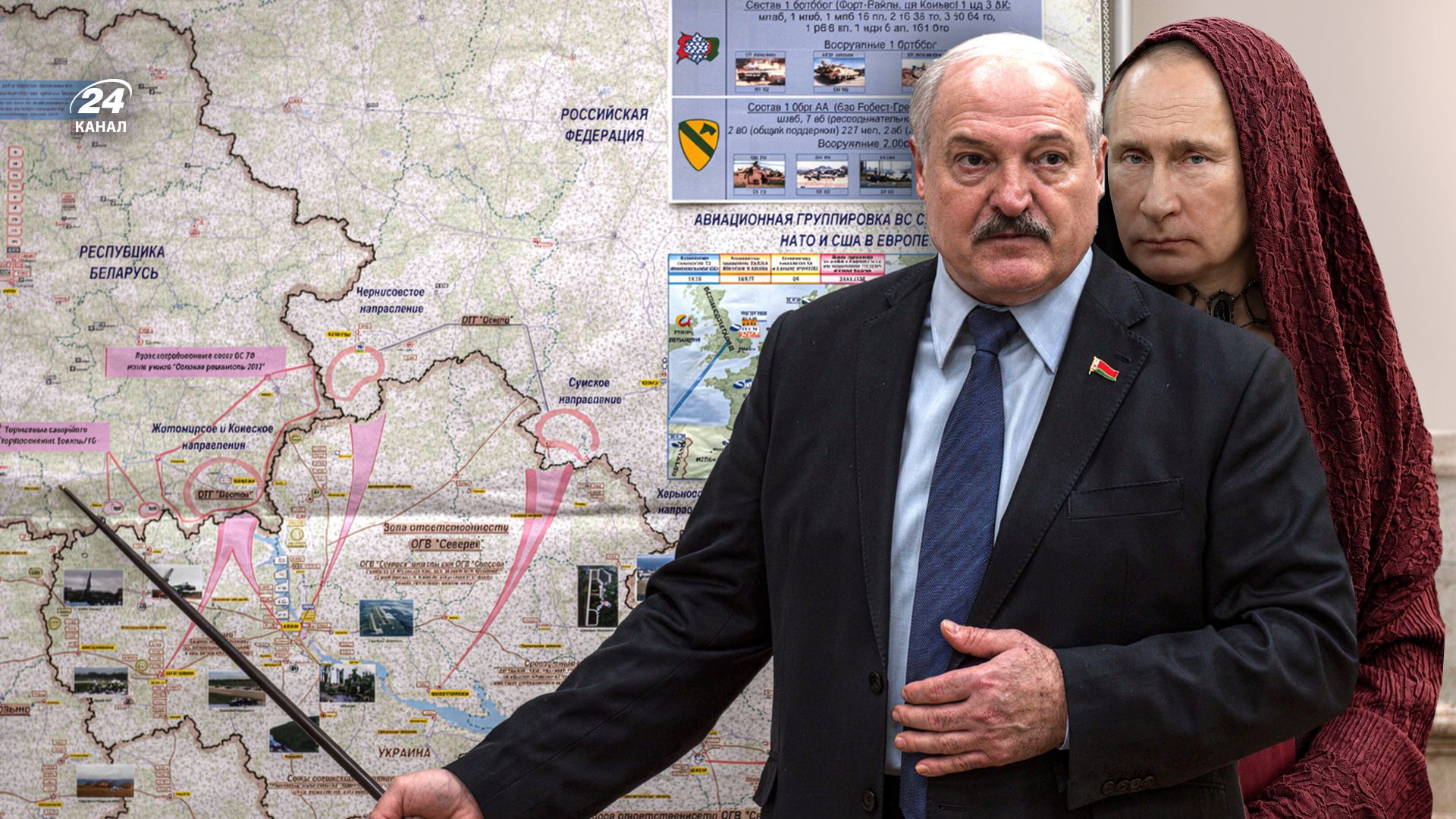
Where is the attack being prepared from now, how is Belarus preparing for a war it does not want, and how might it become involved in it – read about it in this report from Channel 24.
Russian Aggression at an Impasse
Advances in UAV technology in the military sphere, the accompanying increase in reconnaissance capabilities and reduction in the time between target detection and engagement, as well as varying degrees of supply shortages on both sides of the Russia-Ukraine war, have led to a halt in significant front-line movement despite ongoing hostilities. The result – as was the case in World War I and the Iran-Iraq War – has been an economic war.
Despite the general stagflation in the Russian economy, the investment crisis, and the extractive tax reform in Russia on the one hand, and the complete halt of maritime exports, a crisis in the agricultural and metallurgical sectors, and shelling of Ukraine’s energy infrastructure – on the other – the economies of both countries demonstrate sufficient resilience to sustain the war for an extended period. In Ukraine’s case, this resilience is largely due to funding from European partners and the transfer of weapons.
Russia’s strategic goal – to reshape the European security architecture in line with its aspirations, specifically the retreat of the West or the complete disintegration of NATO – remains more out of reach than it was in 2022.
The inability to achieve its goals through the war against Ukraine may force Moscow to resort to its usual tactics – to escalate by attacking NATO itself in the Baltics, taking advantage of the U.S.’s apparent withdrawal from European defense issues and the slow pace of European military buildup, in order to force Europeans to confront the issue head-on regarding “ Activation of Article 5 ” and the deployment of troops to war.
Currently, there are no factors pointing to a full-scale invasion in the coming months; however, the risk to the Baltic states remains relevant in the long and medium term. Every move by Russia, every sign of discord within Europe, or even a simple display of weakness increases this risk.
The main obstacle to the further expansion of Russia’s war against Europe is Kyiv. The Ukrainian front is claiming more Russian soldiers killed and wounded each month than their average monthly recruitment rate – including the now-frequent cases of coercion to sign contracts – can compensate for. Conducting a continuous strategic offensive operation requires constant strain on the resources of the Russian Armed Forces, which complicates – though does not preclude – the buildup of the significant manpower and equipment necessary for an invasion.
Currently, the Bundeswehr and NATO consider a Russian attack on the Alliance in 2029 to be possible. France considers the time window for a possible ground invasion to be 2027–2030. At the same time, in a broader sense Russia is already waging war against Europe, by carrying out terrorist attacks on weapons manufacturing facilities and warehouses, air transport, attacking the critical infrastructure of European states in cyberspace and the physical world, organizing arson attacks, as well as migration crises. Russian UAVs and missiles have repeatedly crossed the EU border, and there is a risk that such attacks will intensify, and there is a risk that such attacks will intensify.
This type of “shadow” warfare does not require the deployment of large numbers of personnel or weapons; it is conducted through intelligence agencies and is therefore much simpler for Russia. However, its results, even if successful, are tactical and will not alter the political landscape of the subcontinent. This is another reason why the risk of a ground invasion of the Baltic states cannot be dismissed as irrelevant. Consequently, the issue of Belarus becomes critical.
Plan B
On February 24, 2022, the Russian army went into battle with a well-manned infantry force, a fleet of military equipment, a reputation as Europe’s most formidable army, and confidence in a swift victory. The forces tasked with capturing Ukraine’s capital advanced, in part, from Belarusian territory.
Heavy losses and the failure of the operation to rapidly occupy Kyiv forced Russia to transform its model of warfare and seek additional resources. As early as the spring of 2022, the formation of battalion-tactical groups in Belarus and their redeployment were observed, raising fears that Belarus would directly enter the war on Putin’s side, while the local dictator was busily speculating about “where the attack was being prepared from.”
This phrase quickly became a meme, but in reality, it’s not all that funny, because it captured the moment when Belarus was nearly dragged into the war against Ukraine on Russia’s side.
The Belarusian version of the “Gleiwitz Provocation” became a meme – watch the video:
The described risk did not materialize, but since 2022, the process of integrating the armed forces of Belarus and Russia has intensified. The year 2023 marked an important milestone, when Moscow allegedly deployed nuclear weapons in Belarus at the 1405th Artillery Ammunition Depot, transferring “Iskander-M” tactical missile systems in a quantity of 24 units, based on satellite images of the shelters that had been built.
The following year, Minsk aligned its military doctrine with Moscow’s; in particular, the Russian “nuclear umbrella” was officially extended to Belarus. In addition, an agreement on a joint regional air defense system has been in effect since 2009, serving as the foundation for the integration of these forces.
At the start of the invasion, Belarus’s participation in the aggression against Ukraine was limited to providing a staging ground for Russian troops; later, its territory was used to launch strikes. However, as of 2026, Belarus can aptly be described as Russia’s secure rear.
Currently, the republic’s troops are not directly participating in the aggression, but Lukashenko fully supports the Kremlin in other areas. And this is not just about relay stations for “Shahed” drones.
A successful campaign of precision strikes against Russian oil refineries has led to shortages in the Russian diesel and gasoline markets. The capacity of the Mozyr and Novopolotsk refineries – which were built by the USSR for export to Europe – significantly exceeds the republic’s own needs. Previously, their products were sold to Europe; now they are sold to Russia. Their location in Belarus protects them from Ukrainian strikes, and the volume of their fuel exports to Russia is growing rapidly. Currently, Belarusian fuel accounts for 6% of the Russian market – a nearly fourfold increase over the past 12 months.
Belarusian industry is integrated into the Russian defense-industrial complex’s production cycle. About 500 enterprises are engaged in the manufacture of military products, the repair and maintenance of equipment, or operate in related fields. In 2022, the Belarusian railway was used to supply Russian military units advancing into northern Ukraine; today, it provides logistics support for the Russian military-industrial complex, and since 2022, the Belarusian healthcare system has been providing treatment and rehabilitation for Russian military personnel.
In addition, Belarus serves as one of the “gateways” for the Russian Federation to circumvent sanctions. Through Belarusian front companies, both Western electronic components critical to Russian weaponry and gray-market imports of civilian goods are procured.
According to UN Resolution 3314 and the Additional Protocol to the Geneva Conventions, Belarus, given the above, is an accomplice to the aggression against Ukraine. Consequently, under international law and the UN Charter, Ukrainian strikes on targets in Belarus would be considered lawful and should not be questioned.
In practice, however, Kyiv refrains from such actions, both because of its reluctance to escalate the conflict with Minsk and increase the risk of drawing units of the Belarusian army into the war, and because of the stance of Western partners, who do not want to see the conflict spread geographically.
Lukashenko on a Tightrope
Alexander Lukashenko is not the legitimate president of Belarus, but he retains power in the country by literally holding the people hostage. The economic and political stability of the regime ruling in Minsk depends on Moscow. This dependence deepened significantly after the 2020 presidential election, which severely limited Lukashenko’s ties with the West.
The result was a de facto loss of sovereignty, even as it was preserved de jure. It is unlikely that Lukashenko himself was a proponent of the idea of invading Ukraine in 2022 – it is quite probable that he learned of it secondhand. Lukashenko’s regime will not benefit from Russian aggression even if it were to succeed completely – which, obviously, has long been an impossible scenario – while the potential cost of the aggression would offset any benefits.
However, the Belarusian dictator operates under conditions of extremely limited sovereignty and lacks the ability to refuse to participate – albeit indirectly – in the aggression. For Lukashenko, losing Moscow’s support would very likely mean losing power altogether – whether at the hands of other regime officials backed by Europe or by Moscow itself. At the same time, Lukashenko’s friends – Trump and Xi – are far away and certainly won’t come to his rescue, even if they wanted to.
The integration of the Russian and Belarusian economies has deepened as a result of the sanctions. An analysis by Lithuanian intelligence indicates that even a full restoration of economic ties with the West would not offset Minsk’s dependence on Moscow, as Lukashenko is not prepared for political reforms that would increase the risk of losing power. At the same time, the desire to maintain political stability compels Lukashenko to resist any attempts to involve the Belarusian army in combat operations.
Belarus is coming to terms with the realities of modern warfare (photo – VAYAR):
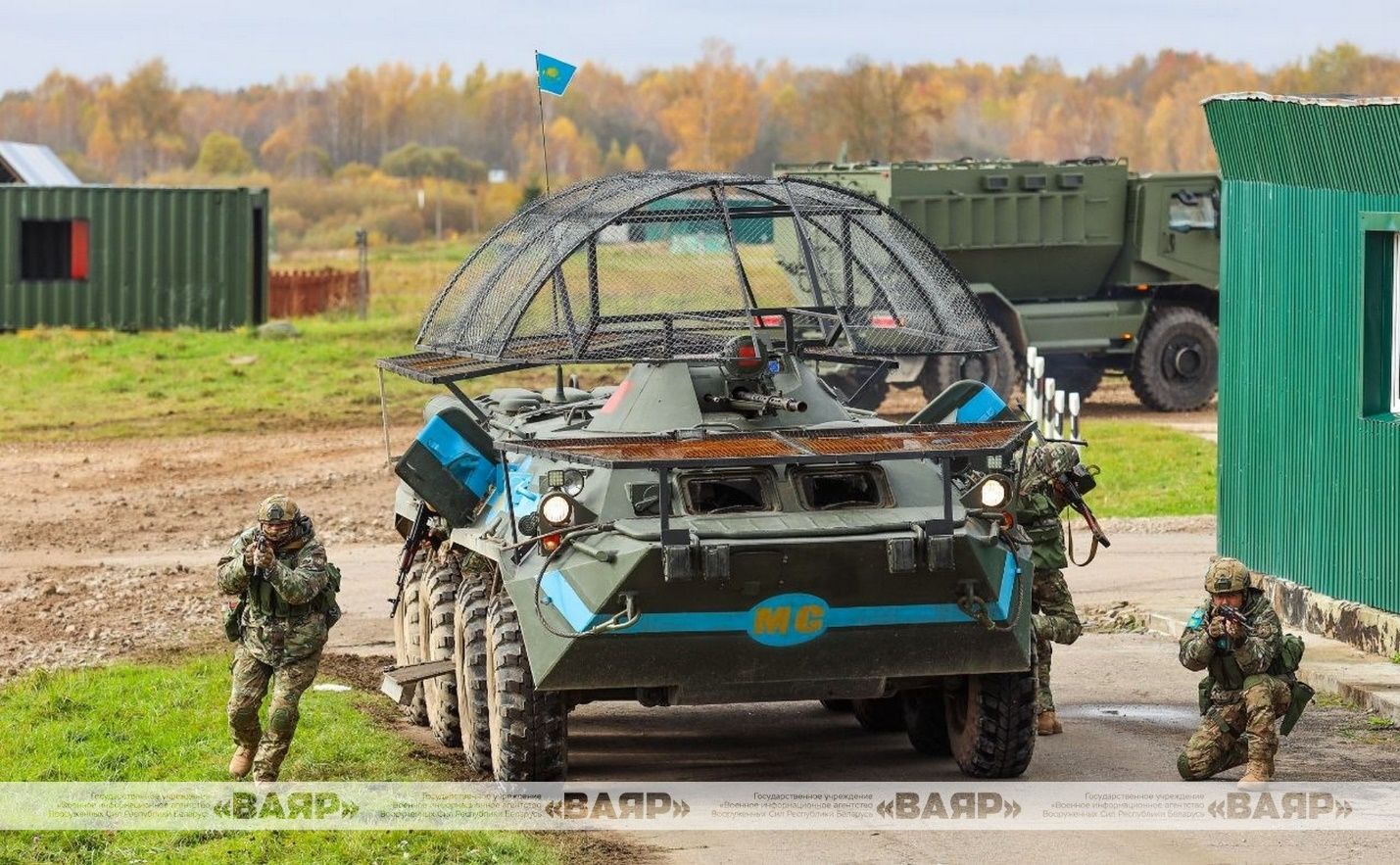
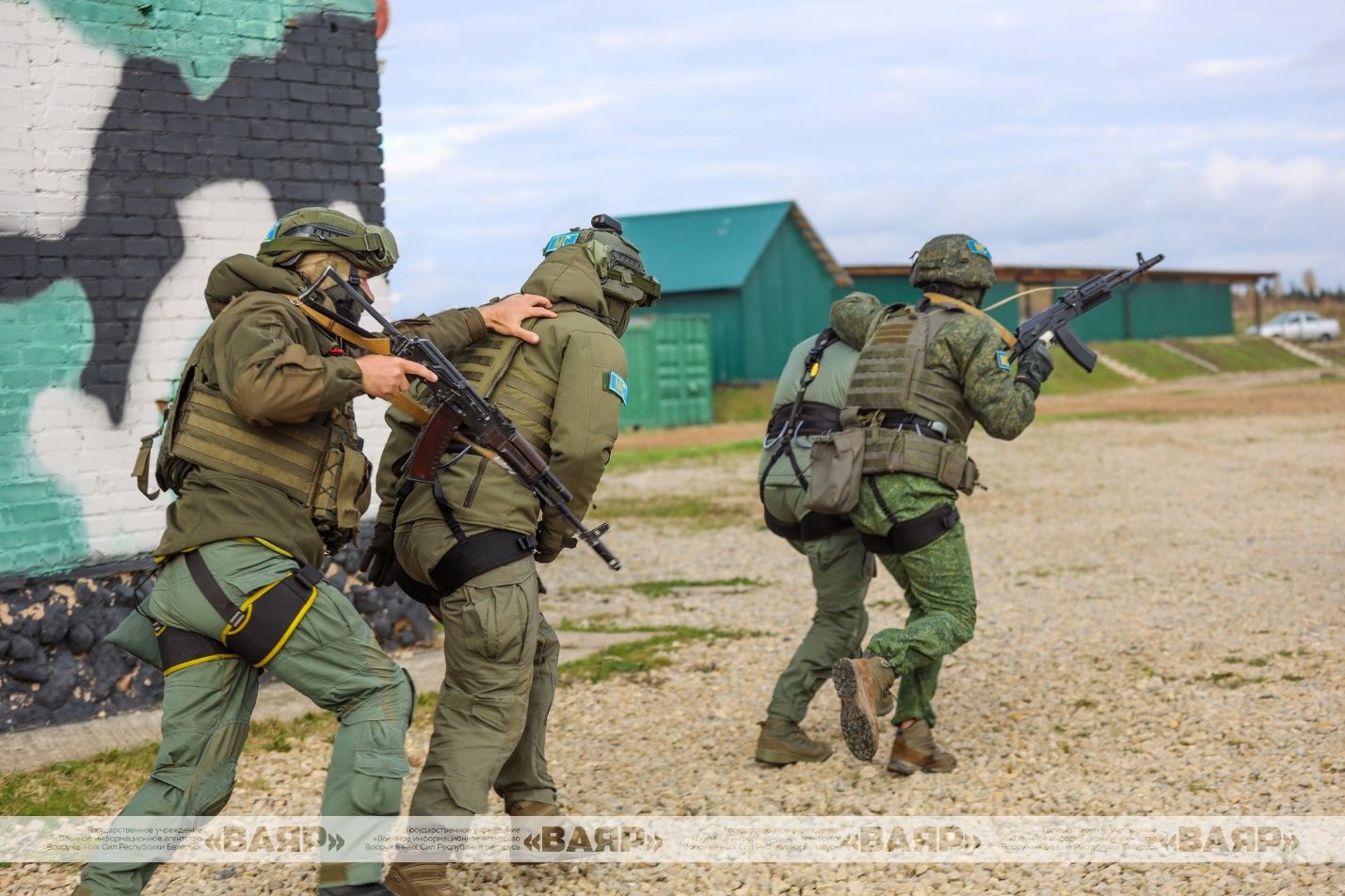
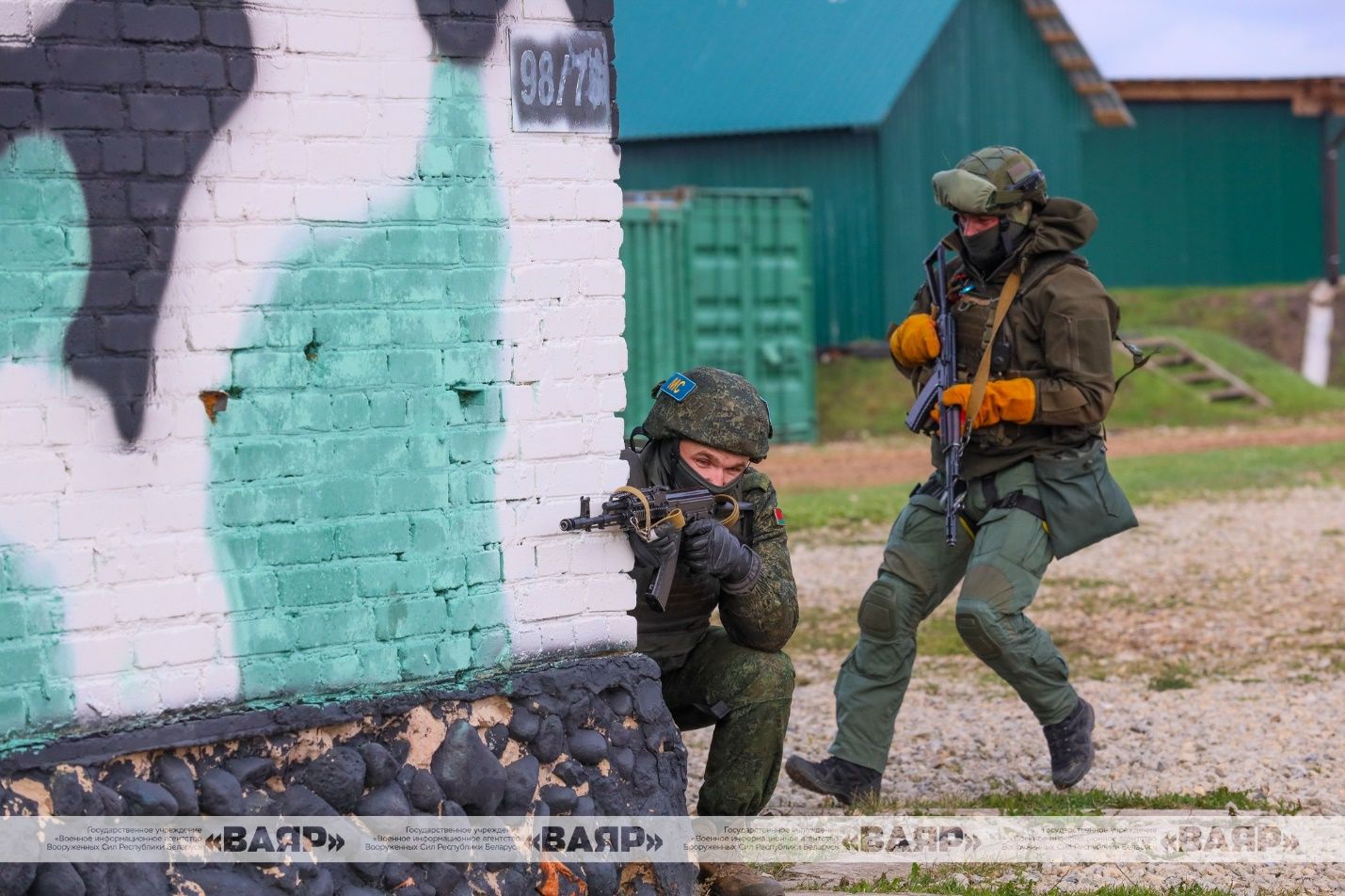
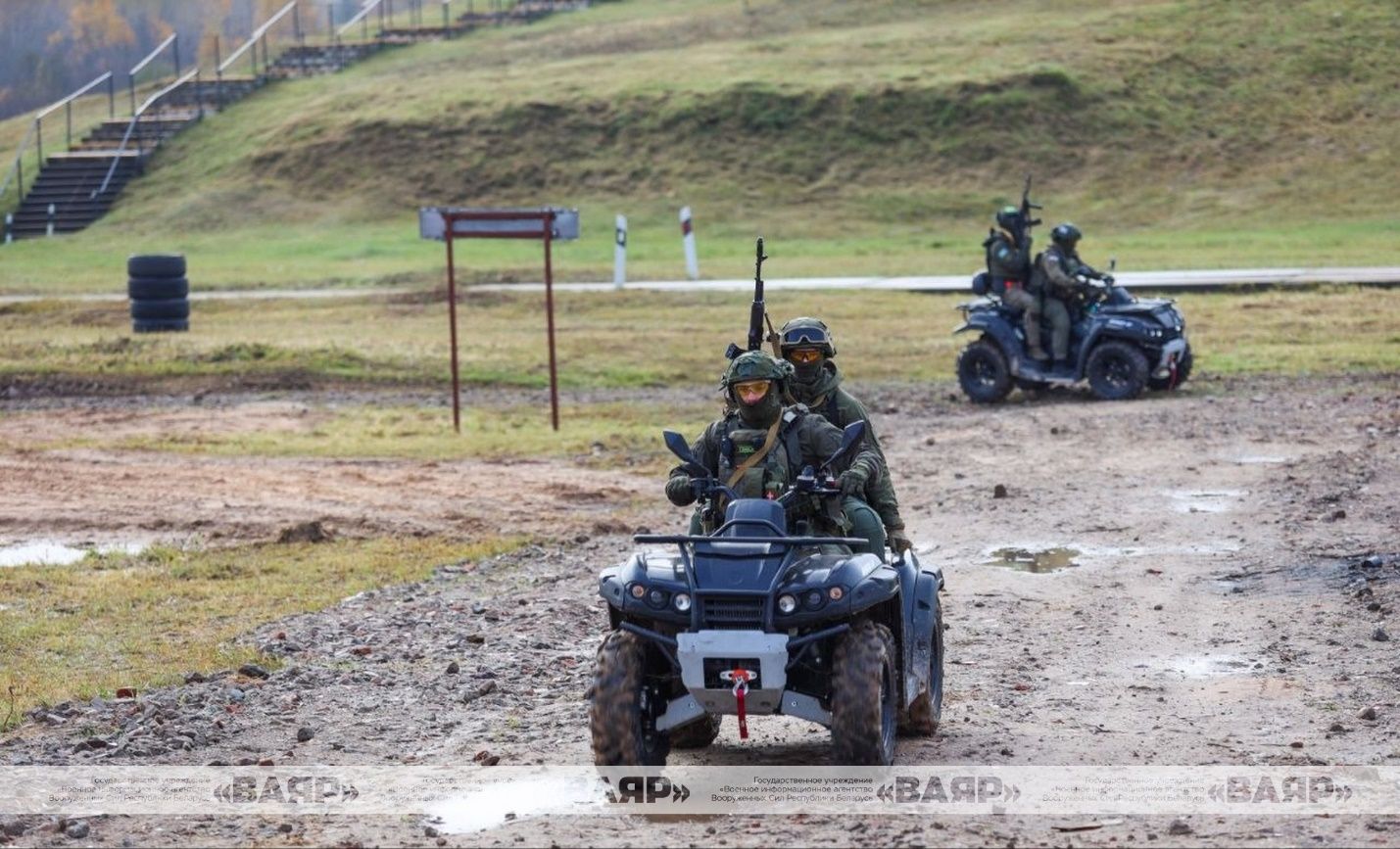
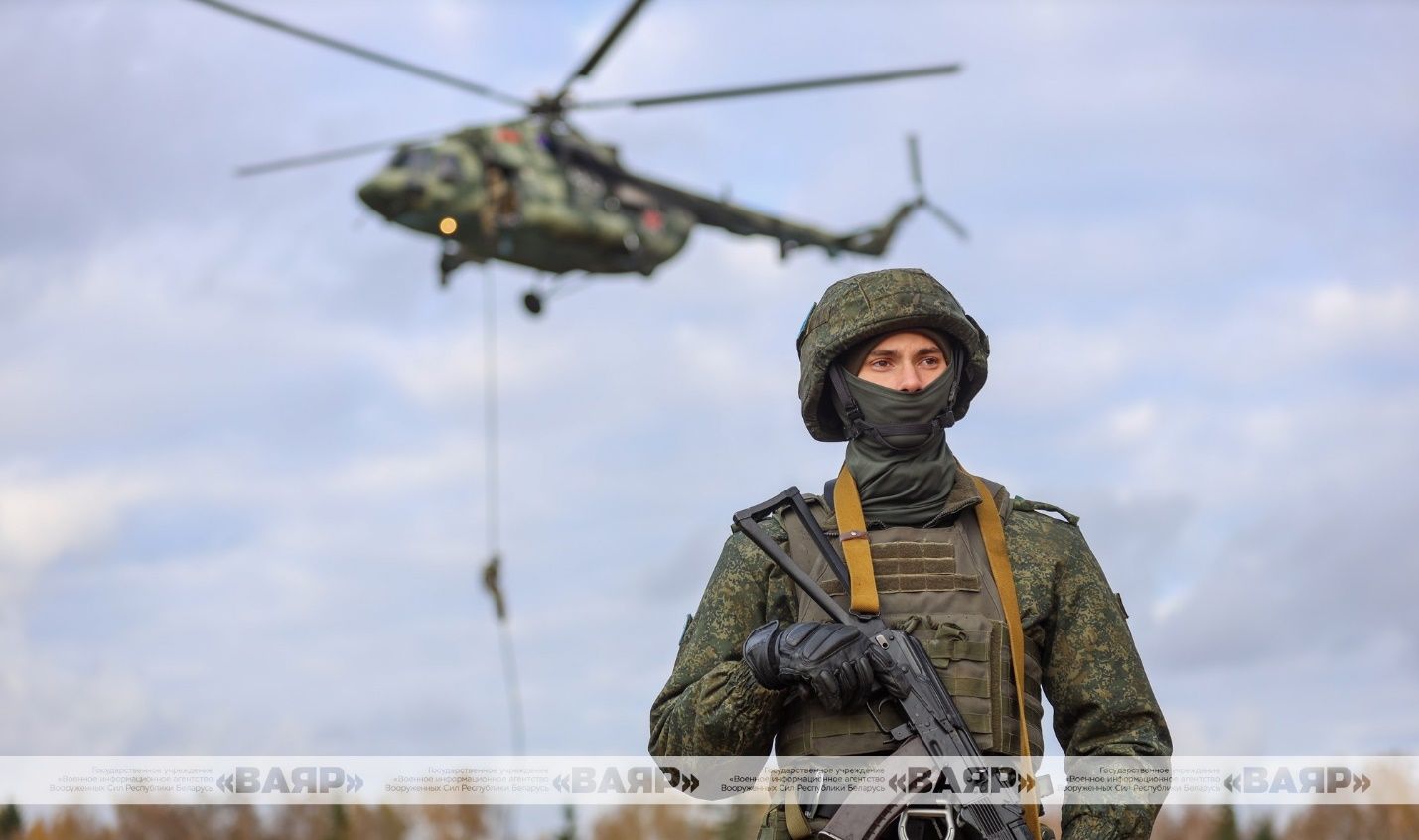
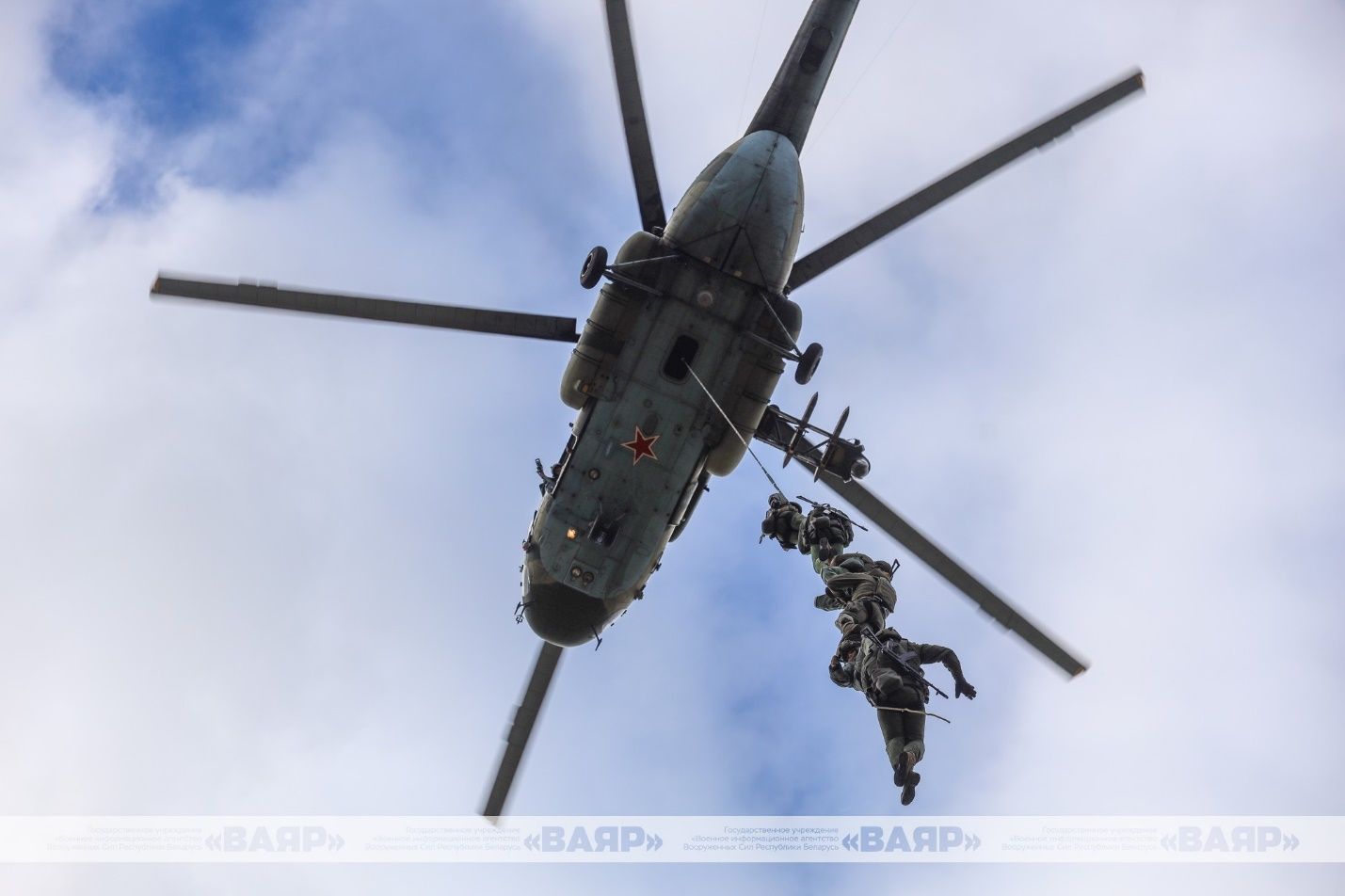
The Belarusian armed forces number 48,000 personnel. Of these, about 27,000 are in the Ground Forces, and another 6,000 are in the Special Operations Forces. In 2022, Minsk announced plans to increase the size of its military to 80,000, but these plans were not implemented, largely due to financial difficulties. Exact figures are unknown, but during the war, Belarus transferred a significant amount of its own military equipment and ammunition to Russia, and during the Kursk operation, equipment was transferred not even from warehouses but directly from active units of the local army.
The overall combat readiness of the Belarusian army can reasonably be assessed as low: the army lacks the motivation to fight in a war that is foreign to it, its size does not allow for large-scale offensive operations, and its supplies were depleted due to transfers to Russia.
Although Belarus possesses a mobilization reserve of an estimated nearly 300,000 people, actual mobilization is an extremely politically toxic move – as is evident even from Russia’s example – and the likelihood of it being declared is significantly lower than the already low risk of the Belarusian army participating in the aggression.
It is also likely that the very fact of the transfer of Belarusian stockpiles to the Russian Armed Forces could be used by Lukashenko as an argument against involving his own troops in an offensive – whether against Ukraine or the Baltic states. But how long this argument will hold up remains to be seen. Read on to find out what other factors are curbing Putin’s ambitions.
The Cost of War
The actual military value of the Belarusian army to Russia is not high, but Putin is currently in such a state that he would be happy with even that. For example, Lukashenko’s forces could be deployed in a “non-assault” capacity to secure rear infrastructure – which is exactly what Belarus is currently doing for Russia.
But clearly, for now, the risks in Putin’s eyes outweigh the potential gains. After all, if Belarus were to fully enter the war, Russia would lose its secure rear and a channel for circumventing sanctions, while in return facing a reduction in Belarusian fuel imports and blows to the Belarusian defense industry. Most importantly, it would lose its main argument: the ability to carry out aggression against NATO. This is what the Alliance fears now; but once The first columns will advance into battle in the Suwałki Corridor – it will be too late to fear, and they will have to act. And despite all the problems, they have the means to act there.
This reduces the risk of the Belarusian army being drawn into a war against Ukraine or a potential aggression against the Baltic states. However, Russia still needs people for the war. From the start of the invasion until mid-2025, only about 1,000 Belarusians signed contracts with the Russian Armed Forces. This extremely small number indicates a general lack of interest among Belarusians in the war and a good understanding (unlike fictional Colombians) of what happens to those eager for “free” Russian money.
It is more likely that the Belarusian KGB and Special Operations Forces (SSO) will be deployed to carry out hybrid aggression against Europe, and that Moscow will recruit local radicals both to provide manpower and to exert pressure on the Lukashenko regime from within. Russia has successfully implemented a model for creating controlled right-wing radicals on its own territory.“Russkaya Obshchina,”“Severny Chelovek,” and similar organizations serve as tools for channelling ethno-nationalism and street violence without direct government involvement, as well as for recruiting volunteers for the Special Military Operation.
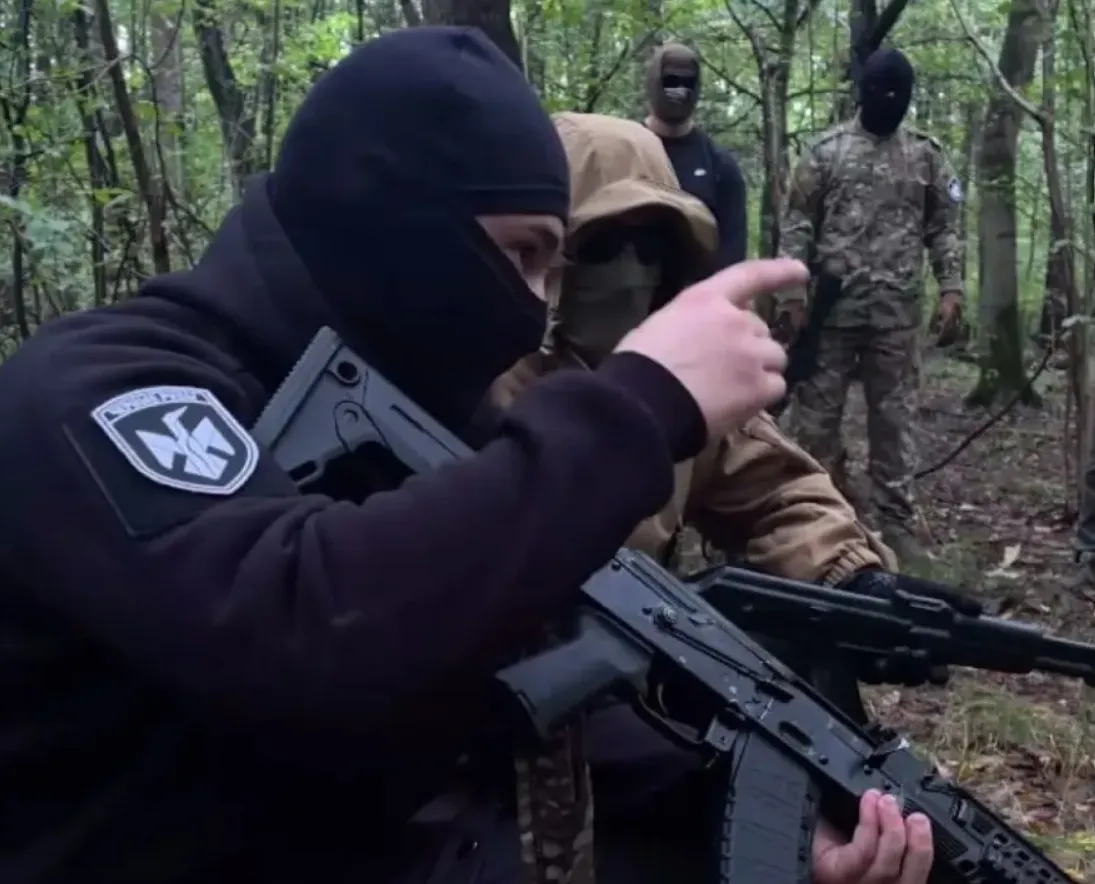
Saboteurs from Belarus threaten NATO / Screenshot
In September 2026, a radical organization called“Black Rus” was established in Belarus. The group’s manifesto calls for the restoration of “Slavic unity” and a “triune people of Russia, Belarus, and Ukraine.” And this group, “for some reason,” operates with remarkable freedom in authoritarian Belarus, where people can be thrown in jail for the slightest offense.
On the night of October 5–6, unidentified masked individuals escorted 20 undocumented migrants to the border with Latvia to ensure they crossed it. When Latvian border guards attempted to prevent them from crossing the border, the unknown individuals threw stones at them, verbally abused them, and threatened them with “an object resembling a weapon.” The Latvian border guards retreated. The organization “Black Rus” claimed responsibility for the confrontation.
Later, a group of unknown individuals crossed the border again: they damaged an electrical panel and stole surveillance cameras, after which they returned to Belarusian territory. On October 7, “Black Rus” also claimed responsibility for this incident.
According to the organization’s own social media accounts, they conduct military training with weapons and are preparing for a confrontation with the West. Given the level of repressive control exercised by the KGB in Belarus, it seems highly unlikely that such an organization could exist without direct control by the Belarusian security services or, more likely, by Russia itself.
The successful execution of these operations creates the risk of their recurrence and a general escalation of Moscow’s hybrid aggression against Europe – this time involving an actual border violation by armed groups without identifying marks.
War on the Horizon
Russian aggression against Europe continues, and the risk of a military invasion of the Baltic states remains high enough that Europe must prepare for such a scenario. At present, it is impossible to predict the exact nature of the Lukashenko regime’s involvement in these actions (perhaps even the dictator himself does not know), but the available data and patterns allow us to assess possible scenarios.
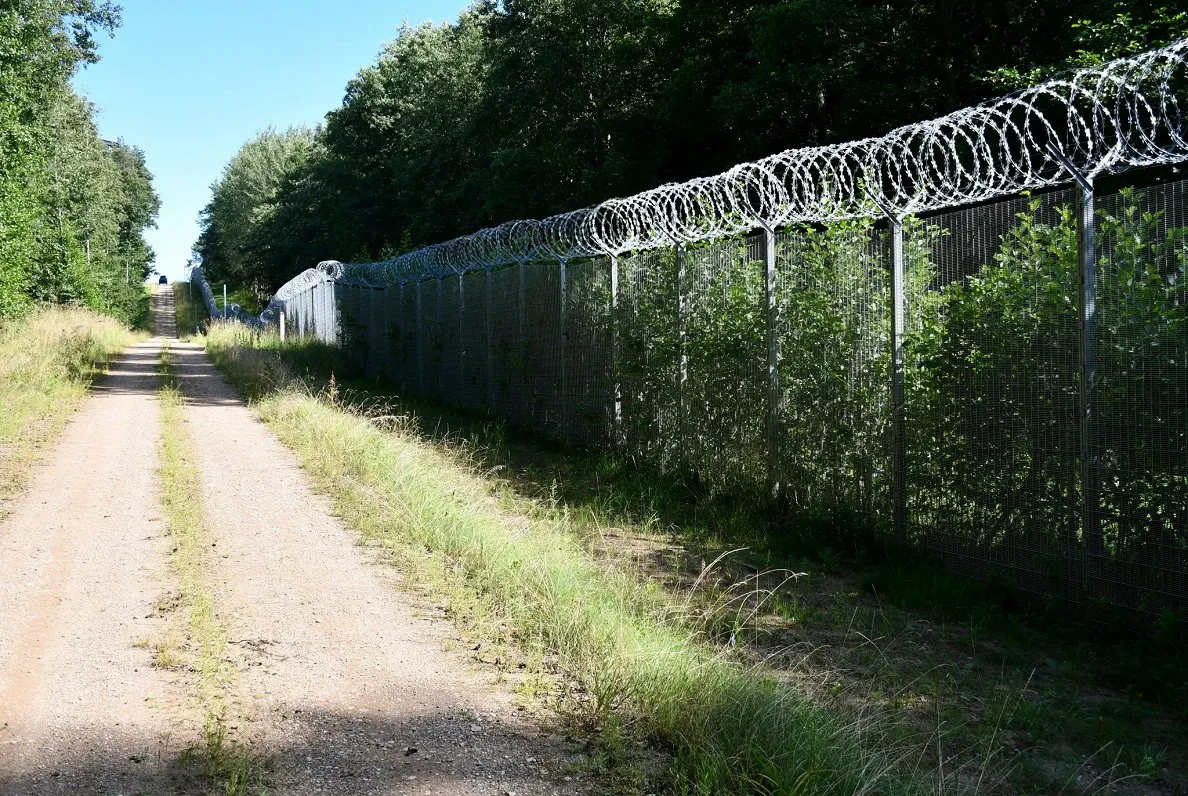
The border between Latvia and Belarus may soon become a “hot spot” / photo – LETA
Lukashenko will seek to minimize Belarus’s direct involvement in the aggression, as it is not in his interest. Instead, Belarus will continue to provide Russia with full economic and infrastructural support. The Belarusian army is not ready for combat operations even by 2022 standards, let alone modern warfare, and its involvement could lead to political turmoil in Minsk, threatening to destabilize part of the Russian war machine’s rear.
Minsk’s loss of a significant portion of its sovereignty will allow Russia to intensify its efforts to recruit Belarusian citizens to participate in the war, build up radical, government-controlled organizations to carry out hybrid aggression against Europe, and expand its own pool of security forces in Belarusian domestic politics, while the resources of the KGB and the Special Operations Forces of the Republic of Belarus will be used to continue the shadow war against Europe and to purge the domestic political arena of the Union State. For Lukashenko himself, this scenario means maintaining the current status quo.
The scenario of a full-scale Russian invasion of the Baltic states is the riskiest for Minsk. There is a high probability that, in such a scenario, the republic’s territory would once again become a springboard for invasion, and as a result, there is a significant risk that the escalation of hostilities against NATO would nullify the immunity currently enjoyed by Lukashenko’s regime, and the republic’s industrial, energy, and other facilities would become targets of military strikes.
For such a scenario to unfold, Russia would need to partially or completely halt its offensive operations in Ukraine or resume mobilization measures similar to those of 2022. If one or both of these factors materialize, the risk of an invasion should be assessed as critical.
A scenario of limited Russian aggression – specifically, the occupation of a hypothetical Narva following the pattern of eastern Ukraine in 2014, or an amphibious operation on Gotland – gives the Lukashenko regime a chance to preserve the status quo; however, if such actions by Moscow do not yield the desired result – namely, the implosion of NATO – the risks of Minsk’s direct involvement in the war increase.
The Belarusian regime is not an independent actor. It possesses limited autonomy within the framework of the Russian imperial structure; however, the very survival of the regime depends on the gradual loss of this autonomy in favor of Moscow.