


 1
1 Russia has come under the spotlight following reports of a possible outbreak of pneumonic plague in the Irkutsk region. Following the death of a 28-year-old employee of the anti-plague institute, about 200 people were placed under quarantine, restrictions were imposed in the region, and neighboring countries tightened health inspections at their borders.
At the same time, Russian authorities have not confirmed that the woman died specifically from the plague. Officially, they are referring to “pneumonia of unknown etiology,” and Rospotrebnadzor assures that the situation is under control.
However, there is insufficient information coming out of Russia, and the quarantine, passenger screenings, and restrictions on medical facilities are only heightening concerns. The U.S. has already urged its citizens to leave Russia, while Central Asian countries have tightened health inspections at their borders, and experts warn that Russia is playing a dangerous game with biological weapons.
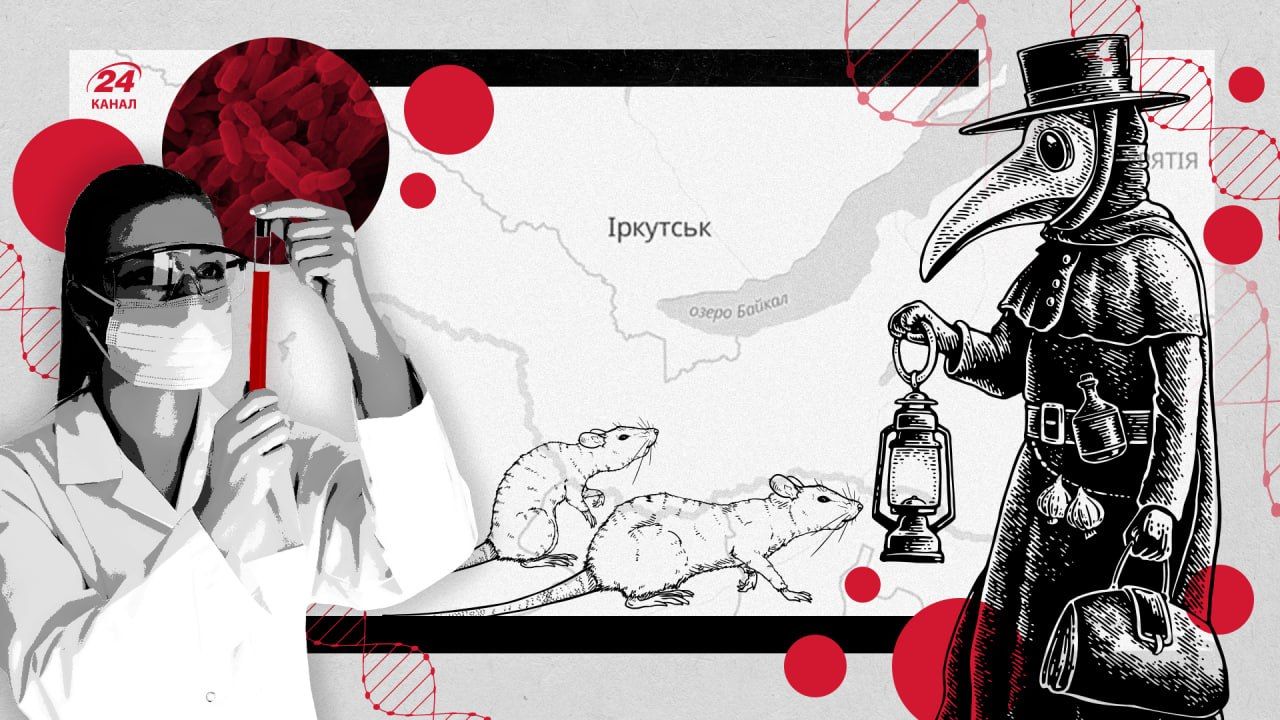
Channel 24 has investigated what is known about the plague in Russia, where the infection might have originated, and what consequences the situation could have for other countries. Experts have shared their assessments on this topic – read the details in this article.
What Is Known About the Plague in the Irkutsk Region
Suspicions of the plague arose following the death of 28-year-old Daria Shipilova, an employee of the Irkutsk Anti-Plague Institute. According to local media, the woman may have been infected during an expedition near the Russian-Mongolian border.
Following her death, 189 people were placed under quarantine due to possible contact with her. Among them were patients at medical facilities, medical staff, and others. A three-week quarantine was imposed at four hospitals and one maternity ward in Irkutsk.
Restrictions were also imposed in Shelekhov. The Irkutsk Aluminum Plant mandated the use of masks, and in Moscow, authorities began screening passengers arriving from Irkutsk. Amid the panic, some pharmacies began running out of antibiotics.
Important! Reports from Russia have triggered the reaction of neighboring countries. Kyrgyzstan, Kazakhstan, Uzbekistan, and Tajikistan have tightened sanitary and quarantine controls or increased the readiness of relevant services.
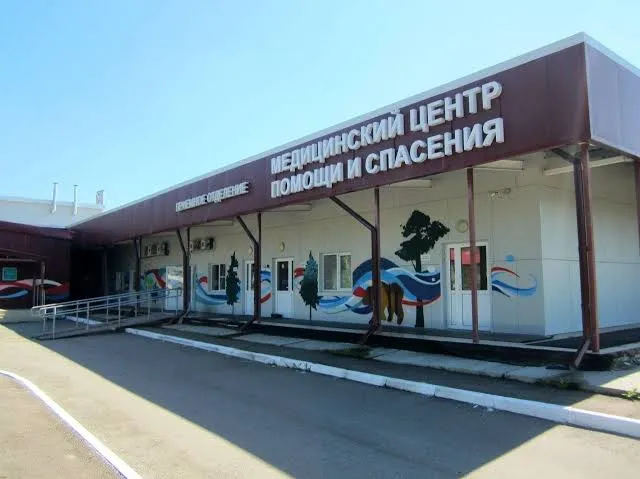
Irkutsk Anti-Plague Institute / photo from open sources
Why Suspicions Arose Regarding the Origin of the Infection
Russian media have circulated a theory that the infection could have occurred due to accidental damage to a test tube containing the plague pathogen in a laboratory. However, Russian epidemiologist Mikhail Favorov, who lives in the U.S., called this scenario unlikely, particularly given the strict safety measures in place when working with dangerous pathogens.
At the same time, diplomat Roman Bezsmertny, in an interview with Channel 24, pointed to another possible scenario – the development or testing of biological weapons.

Roman Bezsmertny
historian, politician, and diplomat
I do not rule out the possibility that we need to consider the preparation or use of certain strains of biological weapons. Especially since the deceased was not just an ordinary employee – she participated in international competitions on combating the plague and was well-versed in all these issues.
Bezsmertny also draws attention to Russia’s response – the isolation of people, quarantines in medical facilities, and problems with access to antibiotics. He believes that a potential infection could enter Ukraine across the front lines, particularly through contact between military personnel and prisoners of war.
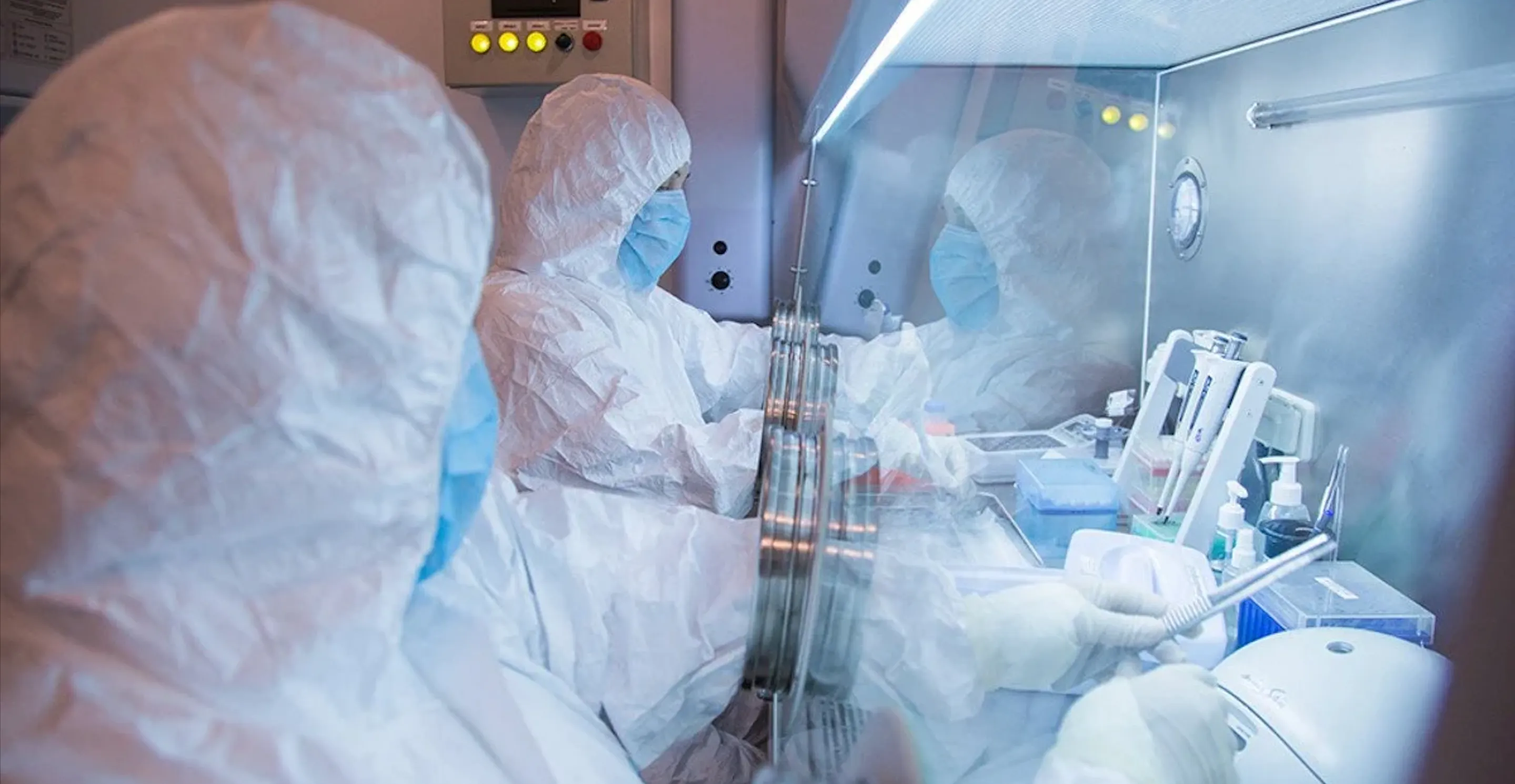
Plague in Russia / Photo: AP News
Why Russia Isn’t Speaking Openly About the Plague
Despite quarantine measures, Russian authorities have not confirmed that Shipilova’s death was specifically linked to the plague. Rospotrebnadzor describes the situation as stable and cites “pneumonia of unknown etiology” as the cause of death. Kremlin spokesperson Dmitry Peskov urged the public to rely solely on official reports. But since “official reports” in Russia are usually lies, such statements have only deepened the panic.
At the same time, Russian media reported restrictions on the dissemination of information. Medical staff were prohibited from speaking to the press or sharing details of the situation on social media, and certain reports about a possible outbreak were removed from the news cycle.
Political analyst Igor Chalenko has criticized this behavior by the Russian authorities. In his view, the problem lies not only in the potential spread of the infection but also in Moscow’s reluctance to speak openly about the situation. Russia has repeatedly disregarded safety protocols during its biological research.

Igor Chalenko
political scientist, head of the Center for Analysis and Strategies
They’re hinting that there’s the plague and so on, but in their documents they don’t specify that this is exactly what everyone is talking about. This could have more serious consequences, just as it did in China at the time, and the same goes for Russia. The situation is much more serious than what’s currently being reported.
In an interview with Channel 24, Chalenko also highlighted an interesting contradiction: For years, Moscow has accused Ukraine of allegedly operating American biolaboratories, while now it finds itself at the center of discussions about a possible biological threat.
And now the U.S., represented by Secretary of State Marco Rubio, expresses grave concern over the outbreak of the plague in Russia and President Trump promises to help personally.
Valery Klochok also sees a similar problem. He emphasized that there is a significant difference between Moscow’s official statements and the decisions it actually makes in practice.

Valery Klochok
Director of the “Vezha” Center for Public Analytics, Chairman of the “New Road” Charitable Foundation
Russia often isolates its internal problems to avoid showing weakness. But the fact that, for example, controls have been tightened at the borders with Central Asian countries – these are well-known facts; none of this is coincidental. If we were to face a real plague epidemic, the world would likely have other priorities than war.
According to Klochko, if the situation is truly as serious as is feared outside Russia, Moscow should act transparently and allow foreign experts to conduct inspections.
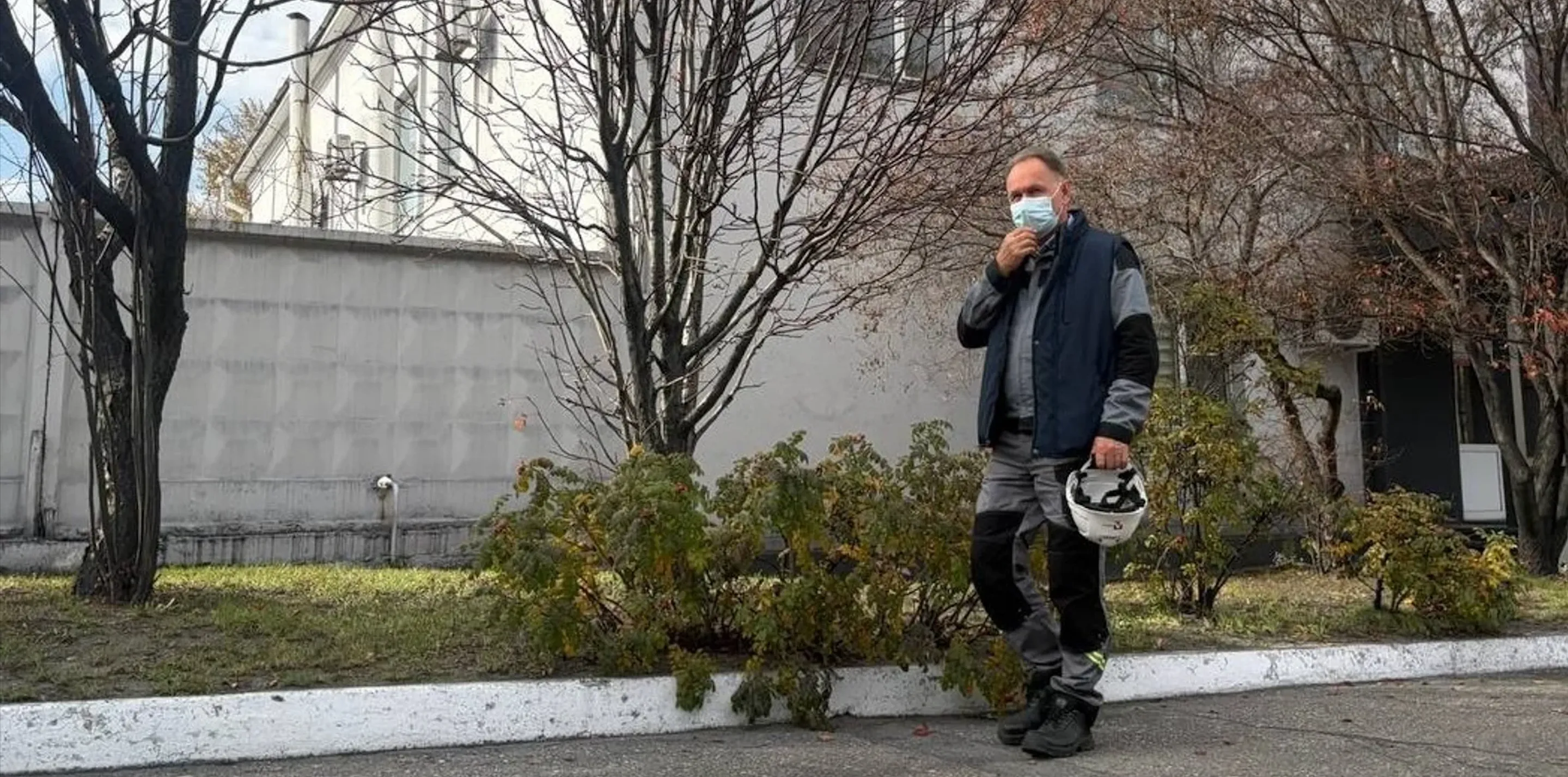
Mask mandate in Russia due to the threat of the plague / Screenshot
However, according to political scientist Petro Oleshchuk, the quarantine and possible restrictions on crossing Russian borders could create additional opportunities for the Kremlin within the country.

Petro Oleshchuk
political analyst
As soon as people started talking about the plague, all of Russia’s other problems vanished immediately. Plus, closed borders are a great way to start, continue, or expand mobilization and force those who weren’t planning to do so to sign contracts. It’s a wonderful way to continue expanding its dictatorship.
Why the U.S. and Other Countries Are Monitoring the Situation
The issue of the possible spread of the infection has already gone beyond Russia’s borders. U.S. Secretary of State Marco Rubio called on Moscow to provide the world with more information, emphasizing that this would allow other countries to better assess the risks and prepare for a possible response.
Please note! Amid reports from Russia, the U.S. Embassy in Moscow issued a travel advisory on October 7, calling on U.S. citizens to leave the country. Diplomats cited reports of a possible case of pneumonic plague in the Irkutsk region, a death, and quarantine measures.
U.S. President Donald Trump stated that Washington is ready to assist Russia if necessary. He also called the plague a serious disease and expressed concern that some infections may be becoming more resistant to treatment.
Interestingly, political strategist Taras Zagorodniy suggests that the American reaction to a possible plague outbreak may have not only a medical but also a geopolitical dimension. In his view, Washington could use the issue of a potential biological threat in Russia as a “ leverage over China,” since the Irkutsk region is located relatively close to the Chinese border.
What risks exist for other countries?
The World Health Organization emphasizes that the diagnosis of plague in Russia has not been officially confirmed. At the same time, the organization has requested additional information to assess the situation.
Of particular concern is the pneumonic form of the plague, which can be transmitted through respiratory droplets. That is why it is important to monitor close contacts, restrict the movement of potentially infected individuals, and enforce health screening at the borders.
The risk to Ukraine is assessed as very low. The Ministry of Health’s Public Health Center reported that no cases of plague have been recorded in Ukraine for over a century, and the epidemiological surveillance system is ready to respond to any potential cases.
However, Bezsmertny believes that Ukraine cannot completely ignore the situation due to the proximity of the war and the constant movement of people. That is why he emphasizes the need for appropriate safety measures for military personnel.