




This is according to The New York Times.
What exactly was proposed to Moscow?
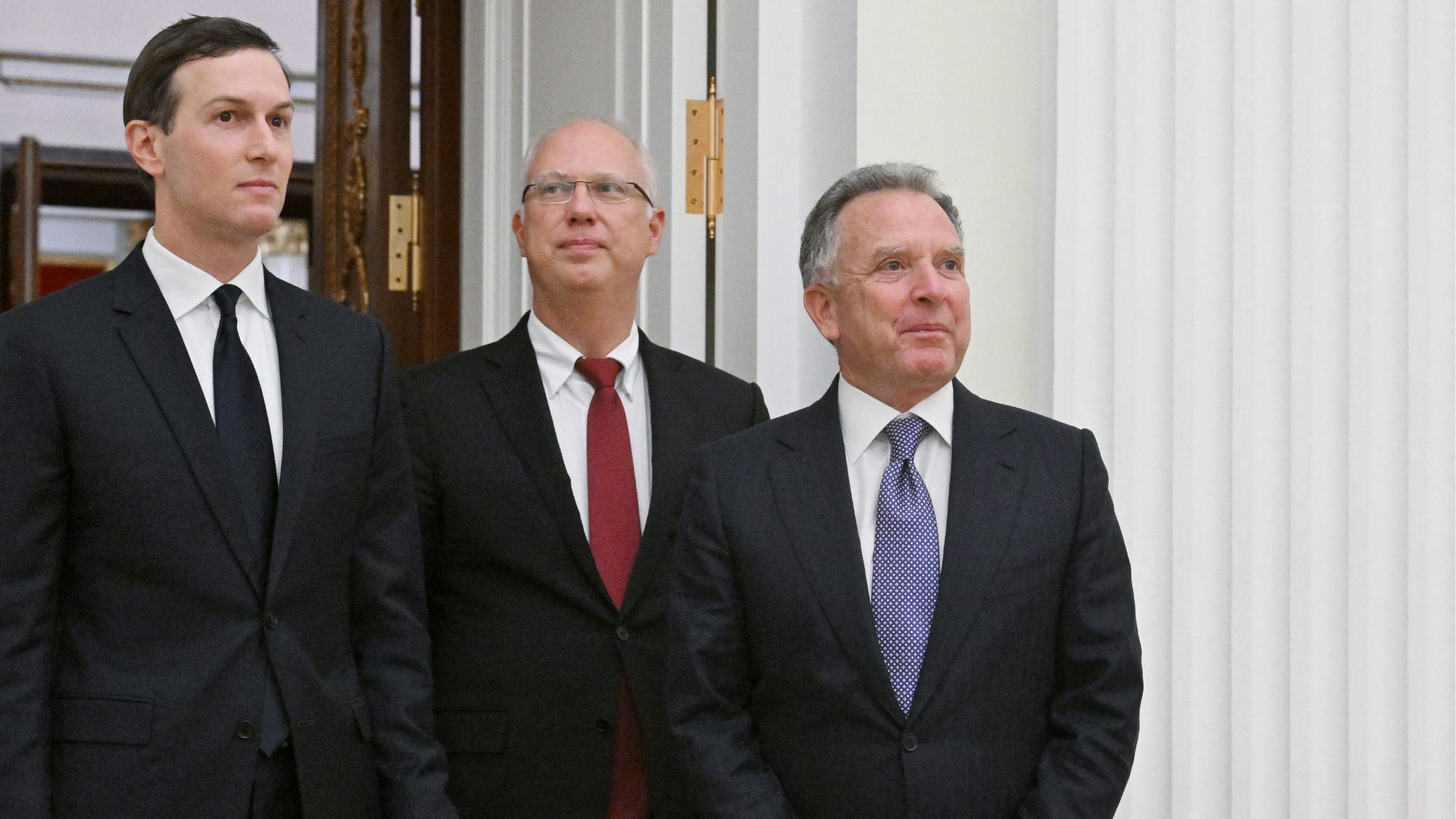
In September, U.S. presidential representatives Steve Witkoff and Jared Kushner presented these proposals during negotiations. They tried to persuade Russia to agree to a limited ceasefire regarding energy infrastructure or at sea. Ukrainian officials told the publication that they were surprised by the scale of these initiatives.
Washington put forward the idea of unfreezing billions in Russian sovereign assets currently frozen in the West. The amount in question is up to $100 billion, which was intended to serve as an incentive to reach an agreement. It is worth noting that the funds were proposed to be provided in advance, rather than after a ceasefire was concluded. In addition, the Americans have revived the proposal to allow Belarus to export potash.
A separate item on the agenda was a plan to sell a portion of the shares in the Russian oil giant Lukoil. This multibillion-dollar deal is planned to be concluded with a group of investors from the Middle East. Among the potential buyers are individuals who have business ties with the American negotiators.
Kyiv tried not to reject these proposals outright but put forward demands for safeguards. In particular, the Ukrainian side proposed reciprocal payments in dollars for frozen assets in its favor. Ukraine is also demanding guarantees of additional military aid should Russia violate the ceasefire.
Commercial Interests of Trump’s Inner Circle
As previously reported by as reported on our website, Vladimir Putin personally raised the issue of “Lukoil” during a meeting with Witkoff and Kushner at the Kremlin on September 5. Approval of the sale would lift U.S. sanctions on these assets and instantly increase their value.
Potential buyers include American investor Todd Boeli and Middle Eastern groups that have done business with Kushner or the Witkoff family. Yuri Bogdanov expressed this opinion notes that such agreements do not benefit the United States as a nation.
This may be in the interest of Jared Kushner and Donald Trump’s family, as they clearly plan to profit from this,
the expert noted.
As a reminder, we previously reported that the United States government plans to acquire approximately 15% of the shares in the newly formed company without any initial financial investment. The White House believes the deal will help lower energy prices and generate profits for the U.S., but experts warn of risks due to the intertwining of public and private interests. At the same time, analysts believe that the Kremlin could use the negotiations to ease sanctions pressure and buy time to continue the war against Ukraine.