




 5
5 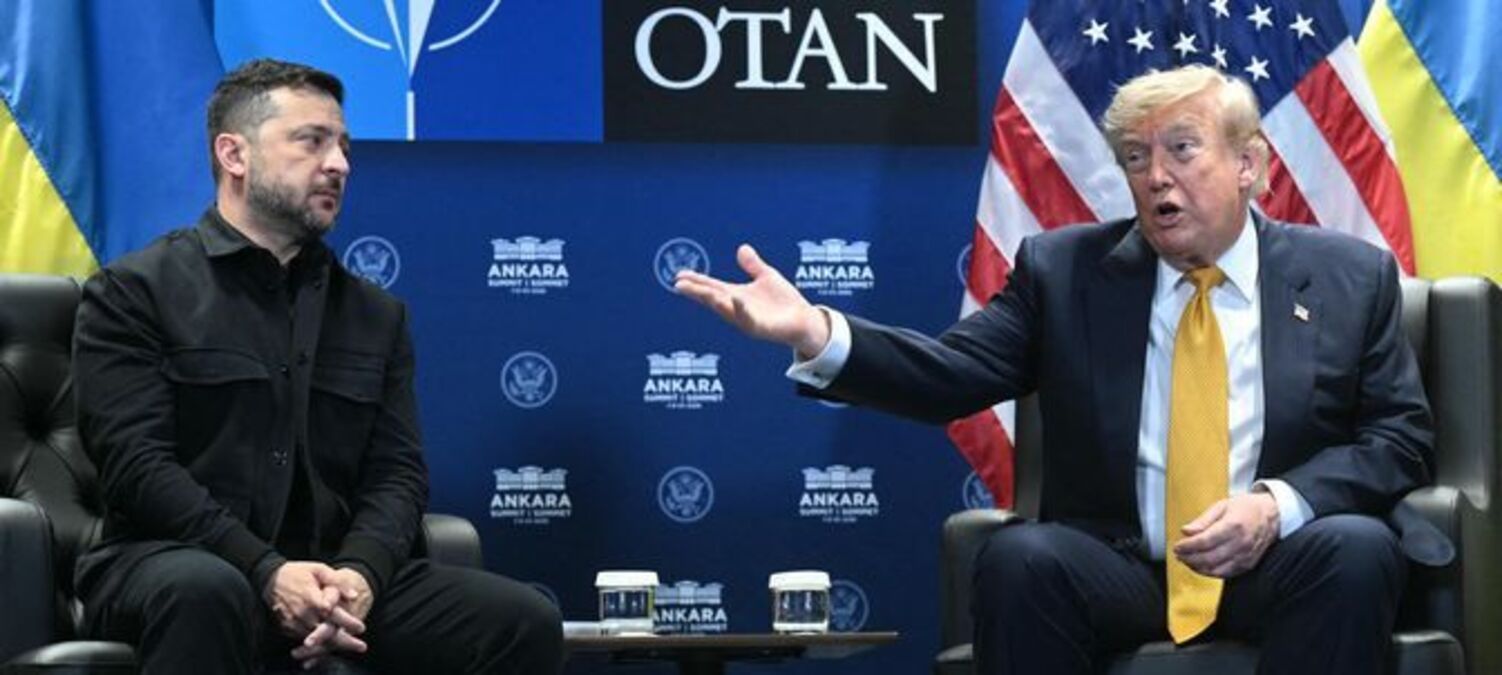
At the same time, the Trump administration’s latest measures could significantly complicate the security situation for Kyiv, according to Reuters.
What is known about the strained relations between Kyiv and Washington?
The crisis in relations between the two countries escalated following disruptions in the Starshield military satellite network, which was deployed by SpaceX for the Ukrainian forces. Sources among U.S. and Western officials reported that the temporary shutdown of communications occurred on direct orders from the White House.
This move raised serious concerns about Ukraine’s security ahead of Russia’s winter attacks on critical infrastructure. Although access to the satellite systems was later partially restored, the incident highlighted Kyiv’s dependence on American technology and the decisions of the U.S. administration.
Another source of tension was Donald Trump’s October 9 agreement with Russian President Vladimir Putin to temporarily lift sanctions and begin importing Russian diesel fuel. At the time, Volodymyr Zelenskyy publicly stated that such steps indicated Washington’s de facto favoritism toward Moscow.
In an effort to keep domestic prices in check, the U.S. president has repeatedly criticized strikes on the aggressor country’s oil refineries, linking them to rising fuel costs ahead of the midterm congressional elections. However, experts note that the main reason for the spike in energy prices was the U.S. and Israel’s war against Iran, which blocked shipping in the Strait of Hormuz.
What is the threat to Ukraine?
Reuters emphasizes that the consequences of Trump’s actions could be immediately felt in terms of protecting Ukrainian cities. The President of Ukraine noted that the country received no warnings from its partners prior to the Russian ballistic missile strike on the capital on Monday, October 9. Without the support of U.S. intelligence, it is much more difficult for the military to detect and intercept enemy missiles and drones.
Although Trump claims that data sharing is continuing, Zelenskyy told NPR in an interview that he had received warnings from U.S. officials about a possible restriction or suspension of this cooperation. Previously, the White House had already slowed down direct military aid, allowing European allies to purchase U.S. weapons on their own for frontline needs.
The rift has raised fears that the strained relationship between Trump and Zelenskyy could lead to even worse consequences for Kyiv. Trump could still restrict arms supplies to Ukraine, follow through on threats to halt the exchange of battlefield intelligence, or strike more economic deals with Moscow,
Reuters reports.
Despite the public tension, Kyiv is trying to maintain working-level contacts with the U.S. leader’s inner circle. Two senior Ukrainian officials, speaking on condition of anonymity, reported their intention to continue engaging with U.S. Special Envoys Steve Witkoff and Jared Kushner.
Denys Senik, Ukraine’s chargé d’affaires in the U.S., stated that the country appreciates the American team’s efforts to end the war and is ready to participate in negotiations. The U.S. president himself emphasized that he would continue to maintain contact with both sides in order to bring an end to hostilities as quickly as possible.
How is the U.S. reacting to Trump’s behavior?
Daniel Fried, who served as the U.S. State Department’s Assistant Secretary for European Affairs from 2005 to 2009, warned of serious consequences of such a conflict for the prospects of ending the war.
“This is not just a missed opportunity; it causes real suffering in Ukraine and encourages Putin to continue the war, so it will not go unpunished,”
the analyst said.
At the same time, Reuters notes that Trump may face resistance if Republicans in Congress believe his actions will weaken Kyiv and benefit Moscow. Ukraine retains the support of both Democrats and Republicans, who are convinced that Trump should not pressure Zelenskyy to force him to end the war on Putin’s terms.
Brett Bruen, a former foreign policy adviser in the Obama administration, emphasized that the results of the midterm elections could make it more difficult for Trump to ease sanctions against Russia and cut support for Ukraine.
“Zelenskyy knows who he’s dealing with. Trump’s threats don’t have the same effect as when J.D. Vance tried to shame him in the Oval Office,”
Bruen noted.
It should be noted that on Saturday, October 17, the Ukrainian president commented on the decision by his American counterpart, Do not impose "severe sanctions" Lindsey Graham, regarding Russia. In his view, easing restrictions will not stop Putin but will give him confidence that he must continue the war.