




 1
1 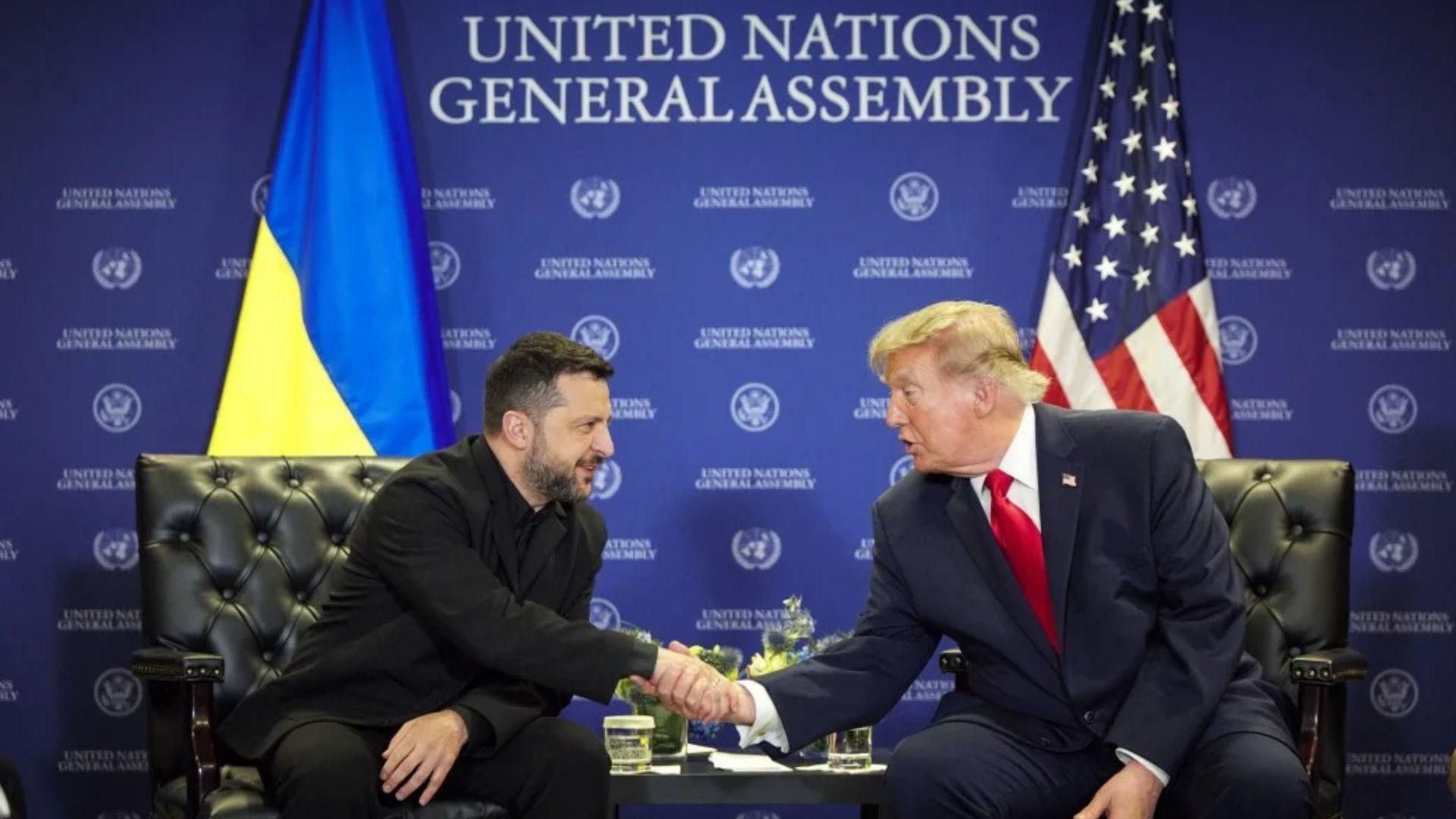
The Wall Street Journal reports that it was then that Trump began to press the Ukrainian president on the advisability of attacks on Russia’s oil refining infrastructure. Since then, the U.S. has asked Ukraine to stop these strikes about six times, but the Ukrainian side has not backed down, as Moscow violated the energy ceasefire.
Tensions began in New York
Volodymyr Zelenskyy arrived in the U.S. in mid-September for the UN General Assembly, feeling that circumstances were unfolding in Ukraine’s favor. Defense forces were holding back the enemy’s advance on the battlefield, and the president himself had held several positive meetings with Donald Trump, notably during the NATO summit in July.
However, it was during that September meeting that Trump began to press Zelenskyy hard on why Ukraine was striking Russian oil refineries. For Kyiv, strikes against such infrastructure are a key part of its strategy: to strike where it hurts Moscow the most – its revenue – in order to deprive it of the resources needed to wage war.
Energy market analysts largely agree that price fluctuations are linked to tensions surrounding Iran. At the same time, they estimate that Ukraine’s campaign has taken 40% to 50% of Russia’s oil refining capacity out of commission.
Over the course of the following month, the article notes, Trump’s irritation only grew. The American leader was outraged that Ukraine was using U.S. resources to strike at Russian fuel exports – in a way that, in his view, could harm consumers in the U.S.
The Meeting in Miami and the Diesel Deal
In early October, Ukrainian and European officials flew to Miami to meet with Trump’s representatives, Jared Kushner and Steve Witkoff. During the six-hour talks, they pressured the delegations to prepare a new package of proposals for Russia to end the war. At the same time, Kushner and Witkoff shocked those present by announcing that the U.S. president was considering a deal with the aggressor regarding diesel fuel.
That same day, Trump held a 90-minute phone call with Putin, after which he immediately announced the conclusion of this agreement. Journalists note that this move outraged several Republicans in Congress, as it handed Russia a victory without any concessions and contradicts the 2022 law banning the import of Russian energy resources.
Suspicions Regarding Starlink
Amid these developments, Ukraine suddenly faced restrictions on the operation of its military Starlink terminals. Ukrainian officials suspect that Trump himself ordered Elon Musk to restrict access to the satellite systems.
“If we start ‘shutting down’ Ukraine – there will be consequences. Mark my words,”
said Republican Congressman Brian Fitzpatrick.
He warned that Congress could suspend funding for any federal agencies if it turns out that the U.S. government has indeed imposed speed limits on the Ukrainian military.
As a reminder, earlier, the Trump administration denied any involvement in communication problems on the front lines. At the same time, Elon Musk himself stated that the Starshield systems belong to the U.S. government, so any restrictions are determined by the U.S. military and the president.