




 3
3 On September 29, 2026, a historic event took place in Rabat. King Mohammed VI of Morocco appointed Fatima Ezzagra El Mansouri as prime minister – she became the first woman to lead the government of this North African kingdom.
Following the victory of El Mansouri’s party in the parliamentary elections, she faced serious challenges: restoring citizens’ trust in political institutions, reducing youth unemployment, and combating social inequality within Moroccan society.
Channel 24 explores who the first female prime minister in the history of this Muslim kingdom is, how she came to power, and what challenges she now faces.
From Lawyer to the First Female Mayor of Marrakesh
Fatima Ezzagra El Mansouri was born in 1976 into a family of politicians and civil servants; she comes from the elite. Her father, Abderrahman Mansouri, served for years as the pasha – the city’s governor – and later represented the kingdom as ambassador to the United Arab Emirates.
Fatima attended French schools in Marrakesh and studied law at universities in Morocco, France, and later in the United States. In 2005, she began her legal career and founded her own firm specializing in commercial law.
El Mansouri entered the political arena in 2009 amid a scandal. Running as a candidate for the PAM (Authenticity and Modernity Party – Channel 24), the 33-year-old lawyer won the mayoral election in Marrakesh and became the first woman to lead the country’s fourth-largest city. But just a month later, a court annulled the election results, citing fraud – ballots were allegedly distributed ahead of time, and some of the election records were destroyed. El Mansouri appealed the court’s decision, and in September of that same year, the legitimacy of her victory was confirmed.
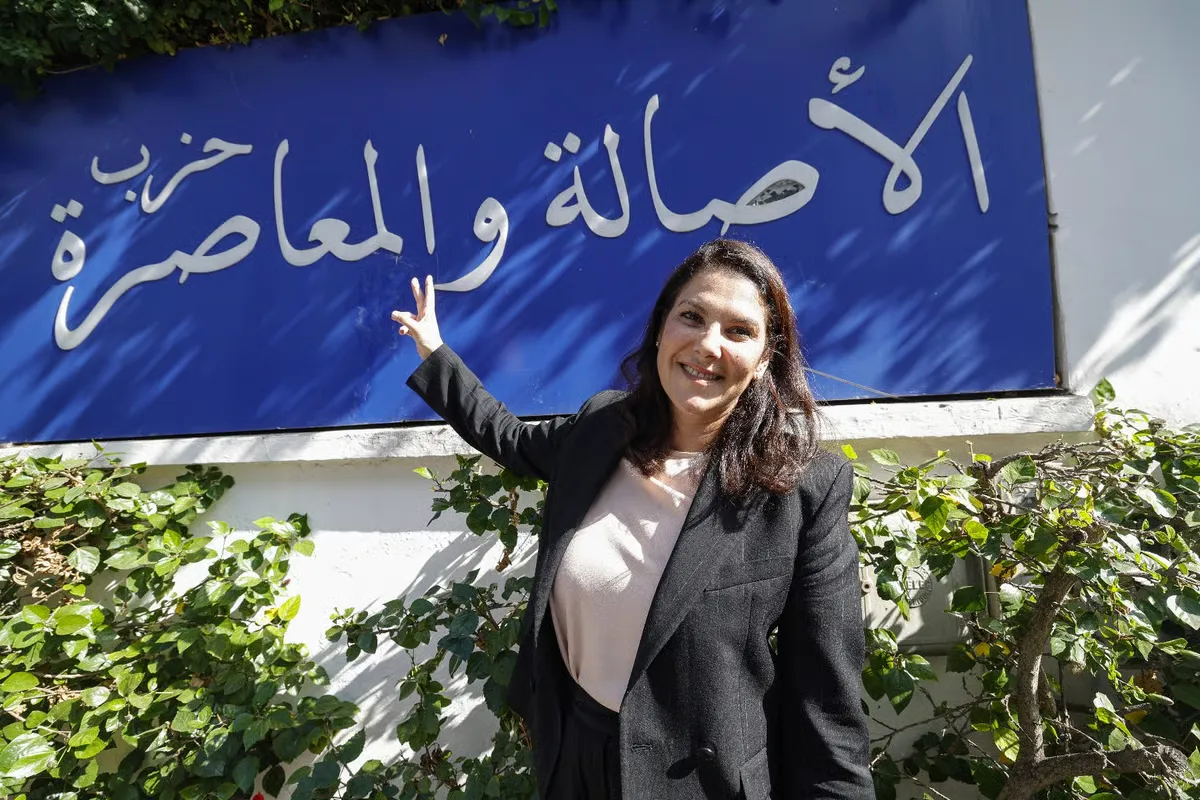
In 2009, Fatima Ezzagra El Mansouri became the first woman in Morocco to be elected mayor / Photo – AFP / Abdel Majid BZIOUAT
“I want to lead by example,” El Mansouri declared upon becoming mayor, after which she donated her salary – equivalent to 480 euros – to cover the expenses of city employees. She introduced weekly meetings with residents, promised to connect 20,000 neglected households to water and electricity, and reoriented tourism policy (Marrakech – Morocco's Tourist Icon) to support poor neighborhoods.
In 2011, amid the Arab Spring and internal party strife, El-Mansouri resigned but reversed her decision the very next day after receiving assurances that senior officials would not interfere in her work. A year later, she openly clashed with Justice Minister Mustafa Ramid over his statements about tourists who allegedly come to the city to “commit sins and turn away from God.”
A People’s Favorite
El Mansouri served as mayor for six years, after which she decided to move on to a new political role. From 2011 onward, she served as a deputy in the lower house of the Moroccan parliament, but by 2021 she had returned to her position as chair of the Marrakesh Municipal Council.
That same year, her political influence grew even stronger: in Aziz Akhannouch’s new government, El Mansouri was appointed minister of national planning, urbanization, housing policy, and urban development.
During her tenure, the ministry addressed a number of key issues, including a direct housing support program for the poor, as well as reforms in the areas of urban planning and spatial development. The greatest challenge in this role was the reconstruction of the Al-Haouz region following the devastating 2023 earthquake, which claimed the lives of nearly three thousand people and caused immense damage to the tourism infrastructure.
In February 2024, she took another step up the ladder by becoming the leader of the Authenticity and Modernity Party (PAM), under whose banner she first ran for mayor and then for a seat in parliament. Interestingly, the PAM was founded by Fouad Ali El-Himma – a close friend of King Mohammed VI, to whose family El-Mansouri is related through marriage. It is precisely this fact that critics emphasize the most, claiming that her rapid rise up the career ladder was secured by nepotism and family connections.
A Historic Election Victory
Despite criticism from others, El Mansouri and her party began preparations for Morocco’s twelfth parliamentary elections.
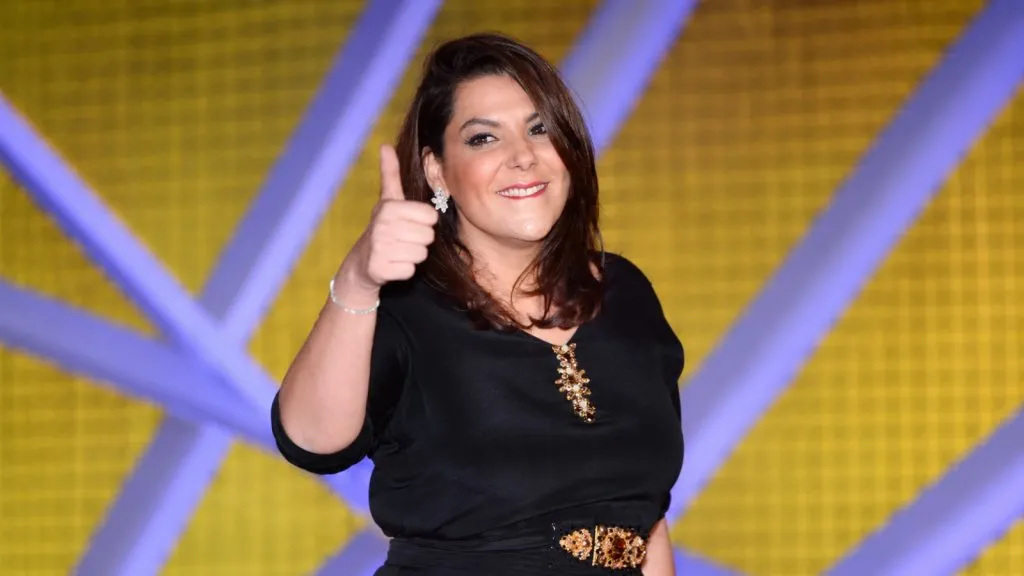
Fatima El Mansouri has inspired many women, and not just in the Maghreb or the Arab world / Photo – Maghreb Arabe Presse
On September 23 of this year, the public made its choice – and the result came as a major surprise. The National Union of Independents party, led by incumbent Prime Minister Aziz Akhannouch – which had governed the country for five years and was the favorite – suffered a significant defeat amid public dissatisfaction with the government. Instead, the PAM won the most votes, increasing its representation in the lower house of parliament to 97 seats.
The party is still 100 seats short of an absolute majority, so forming a coalition in Morocco’s diverse parliament, with the opposition already in place, will be difficult.
But the most intense drama unfolded not between the parties, but within the PAM itself. Even before the elections, Fouzi Lekjaâ unexpectedly joined the party’s political bureau – the long-time president of the Royal Moroccan Football Federation (during his tenure, the national team rose to the top not only in Africa but also worldwide) and the budget minister in the current government.
In 2030, Morocco, along with Spain and Portugal (but without Ukraine), is set to host the FIFA World Cup, so the person who organized Morocco’s hosting of the 2025 Africa Cup of Nations was an obvious candidate for the position of prime minister.
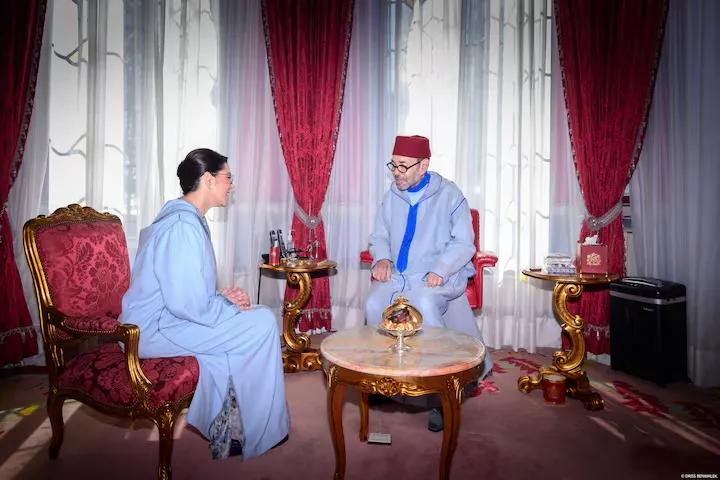
King Mohammed VI of Morocco receives Fatima Ezzagra El Mansouri, who was appointed as Morocco’s first female prime minister, at the Royal Palace in Rabat, Morocco, on September 29, 2026. / Photo – Royal Palace of Morocco
However, on September 29, just a few days after the results were announced, King Mohammed VI put an end to the internal intrigue by personally entrusting El Mansouri with the task of forming the government. She became the first woman in history to head the Moroccan government, as well as the third female prime minister in the history of the entire Arab world, following the Tunisian prime ministers Najla Bouden and Sara Zaafarani.
Challenges Ahead for El Mansouri
The most pressing problem facing El Mansouri’s government had already made itself known even before her appointment. In September and October 2025, Morocco was swept by the largest wave of youth protests in the last decade, sparked by low youth employment rates.
According to ABC News, the unemployment rate among people aged 15 to 25 stands at 37%. The outrage grew into a full-fledged youth rights movement called GenZ 212 – named after the country’s international dialing code.
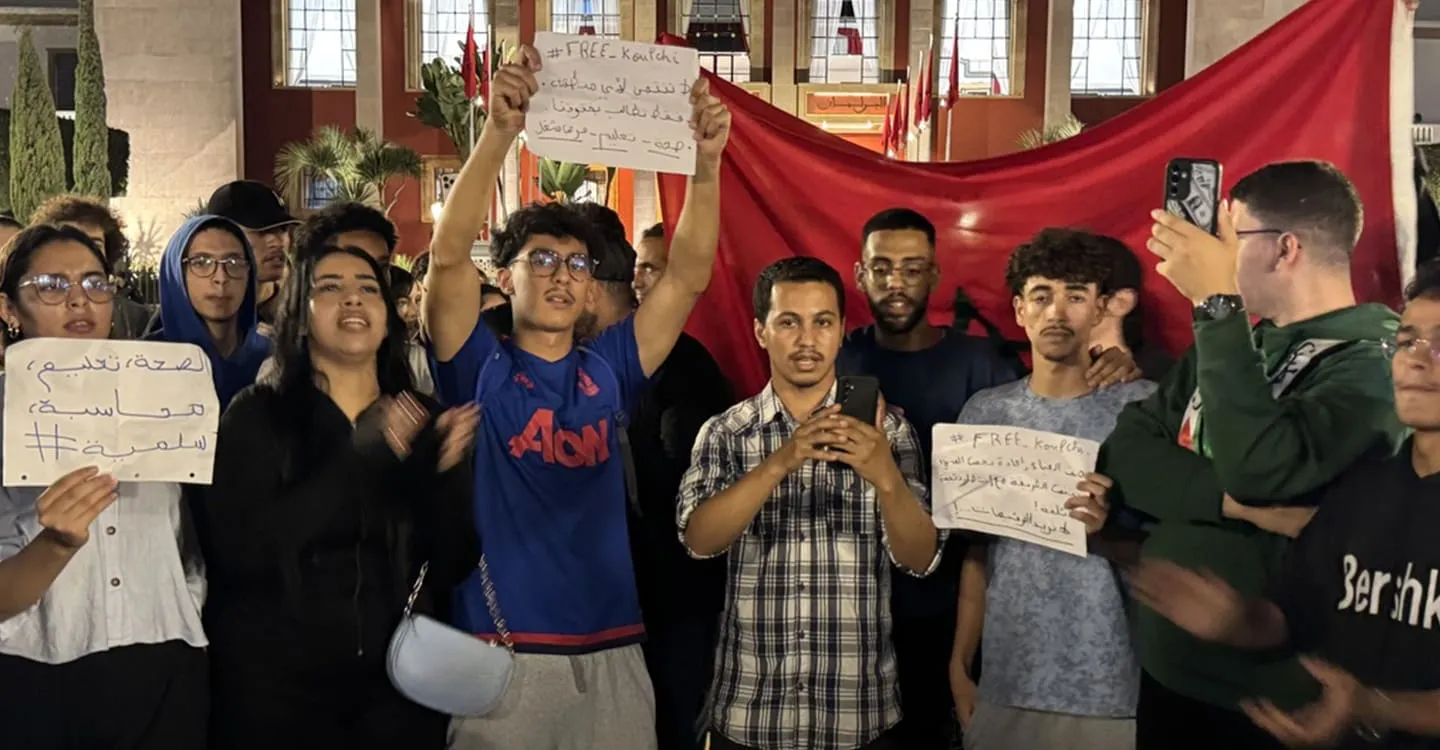
Moroccan youth are protesting against social inequality within the kingdom. These demonstrations would later lead to the founding of the GenZ 212 movement. / Photo – Enes Yıldırım / Anadoluimages
In her official campaign platform, Fatima Ezzagra El-Mansouri pledged the creation of at least one million net jobs to reduce the critical unemployment rate, the construction of 500,000 homes for families and 100,000 for young people, the modernization of 1,600 medical centers and 90 hospitals, as well as the formation of the “2030 World Cup Government.”
The World Cup itself, which Morocco is set to host in just four years, may be the biggest stumbling block for the new prime minister. Although such a major event could attract large numbers of tourists and create new jobs, El Mansouri’s critics point out that the World Cup will only add to existing problems.
For Morocco’s desired reforms, the country needs sustained economic growth of over 5% per year, and investments in infrastructure for the 2030 World Cup could drain significant funds from the state budget. The 2022 World Cup cost Qatar a staggering $229 billion, and in 2014, Brazil spent nearly $12 billion on the tournament, which led to a financial crisis for the country.
Added to this are water shortages caused by climate change, which are affecting agriculture and food prices; the need to complete reforms of the social safety net; and the struggle for women’s rights within the kingdom.
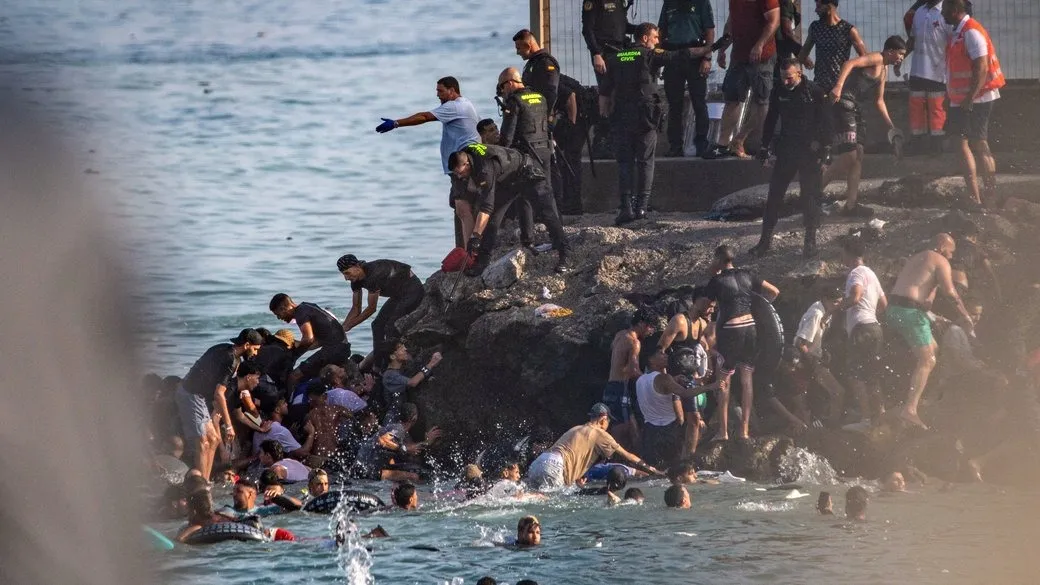
A stream of migrants from Morocco attempts to reach the Spanish enclave of Ceuta, July 2026 / Photo – AP/Antonio Sempere
El Mansouri must also resolve the political crisis in relations with Spain, which erupted over Ceuta – the Spanish enclave in Africa through which thousands of undocumented migrants are attempting to enter the EU.
What Will Change for Ukraine with El Mansouri’s Appointment as Head of the Moroccan Government
Morocco became the first African and Arab country to provide military aid to Ukraine, delivering 20 T-72B tanks modernized in the Czech Republic, along with spare parts, in 2023.
This cooperation meets foreign policy challenges and is also important for Rabat. Morocco must defend its sovereignty over Western Sahara, maintain a balance in its relations with the EU and the U.S., and monitor geopolitical shifts in the neighboring Sahel region, where Russia is strengthening its position through its “African Corps.” Therefore, Ukrainian expertise in countering Russian influence will certainly come in handy.
Kyiv has always maintained good political and economic relations with Rabat, so it is worth building a dialogue with El Mansouri’s new government on this foundation: the first woman to lead the Moroccan government, who is focused on domestic reforms, could become not only a pragmatic partner but also an important ally for Ukraine in its struggle for influence on a continent where Russia still refuses to relinquish its positions.